You’re pregnant with your first or second child, your friends are having babies and the hot topic of discussion is all about the birth process, including the scary things that might happen to your body during and after giving birth. You hear a lot about rectus diastasis, episiotomy, prolapse, pelvic girdle pain, incontinence or tears and C sections from your friends, your NCT group or midwife, but you really don’t understand what all of these terms are, there is not a lot of information out there for you and you’re concerned about what’s to come.
Rest assured we are here to help you. Women’s Health is a specific branch of Physiotherapy and Osteopathy aimed at women’s obstetrics and gynaecology problems. We can help you whether you are conceiving or pregnant, a new mum, recovering from Caesarean section or other gynaecological surgery or experiencing any other pelvic floor problems such as urinary incontinence or prolapse.
Are you struggling to conceive? You may be trying naturally or having IVF, both of which can be a long and frustrating process. We can help by offering you Nutritional Therapy, Acupuncture or Relaxing Swedish massage that can redeuce stress and create balance and harmony in your body to create the right environment for a successful conception. We can also help you find ways to overcome painful intercourse.
Are you starting to suffer lower back pain or pelvic girdle pain? You’re trying to carry on and not let your bump hinder your lifestyle. You like to exercise and do fitness classes with your friends, but as your bump gets biggers it’s slowing you down.
During pregnancy 1 in 3 women experience low back pain, and 1 in 5 experience pelvic girdle pain. The hormones that circulate during pregnancy make the spinal and pelvic ligaments lax to enable the babies head to pass through the birth canal. This can cause pelvic instability and pain in the sacroiliac joints, lower back and pubic symphasis (the front of the pelvis).
At Wandsworth Physiotherapy and Osteopathy our women’s health team can help you get your pelvic girdle, low back pain or upper back and rib pain under control during pregnancy. This can be achieved with spinal mobilisation, pregnancy massage, acupuncture and the safe and effective use of core stability exercises during our Pilates sessions.
We can teach you specific, targeted pelvic floor and core stability home exercises that can significantly improve the discomfort you feel whilst pregnant and give you advice on how to safely stay active up to your due date.
All my friends were fine, why am I the only one like this? None of my friends were incontinent. They have a flat tummy again. No one else has stretch marks. All my friends are having sex again apart from us. I’m the only one in our NCT group with a prolapse. My friend is exercising again so soon after her C section…
We guarantee you that you are not alone, we hear this all the time at Wandsworth Physiotherapy and Osteopathy in our POST-natal Check-up appointments. All the women we see express these and other concerns and we encourage them to talk about their symptoms and experiences with us and their friends.
Once YOU start talking about your experiences you’ll feel the weight lift from your shoulders and you’ll probably also hear some of your friends also had similar experiences but were too embarrassed to talk about their incontinence or prolapse for example. It’s normal to feel anxious about your recovery and to compare yourself to others but everyone progresses at different trajectories and we can reassure you that what you are feeling is normal and we can help guide you back to feeling better.
Once your baby has arrived and is healthy it’s normal to also want to regain your health and your figure. Don’t feel guilty about this. Your body has gone through a huge and stressful change and you also need some love and attention, and time for your body to heal. You also need time to look after your mental health and, sometimes, come to terms with and accept that your body may have changed forever.
We are here to help guide you back to health and help you get back to things you love doing, with and without your new bundle of joy.
We’ll fill the information void that exists and start the conversation with you about Women’s Health. You’ll have lots of questions running through your mind… Will my diastasis heal? When can I squat, do yoga or BarreCore? Can stress incontinence be treated? When can I run again? Are pessaries useful for a prolapse?…
We’ll answer all these questions as well as check your rectus diastasis and pelvic floor function to help prevent incontinence and prolapse, we’ll advise you on how to safely manage a tear or C section and we’ll give you expert advice and guidance on your journey to get your body back in shape and lose the baby weight.
At Wandsworth Physiotherapy and Osteopathy at our clinics in Wandsworth Town, Putney, Clapham Junction, Chelsea and Battersea we don’t just treat women who are pregnant or have just given birth. In the UK 32% of all women experience some urinary incontinence, with 45% suffering from urinary incontinence up to seven years after giving birth. We treat women who have never had children and women who have older children who are also suffering pelvic girdle, lower back pain or other women’s health issues.
We can teach you specific, targeted pelvic floor and core stability home exercises that can significantly improve the discomfort you feel and give you advice on how to safely stay active up to and including going through the menopause, such as advice on general weight management and maintaining healthy bone density.
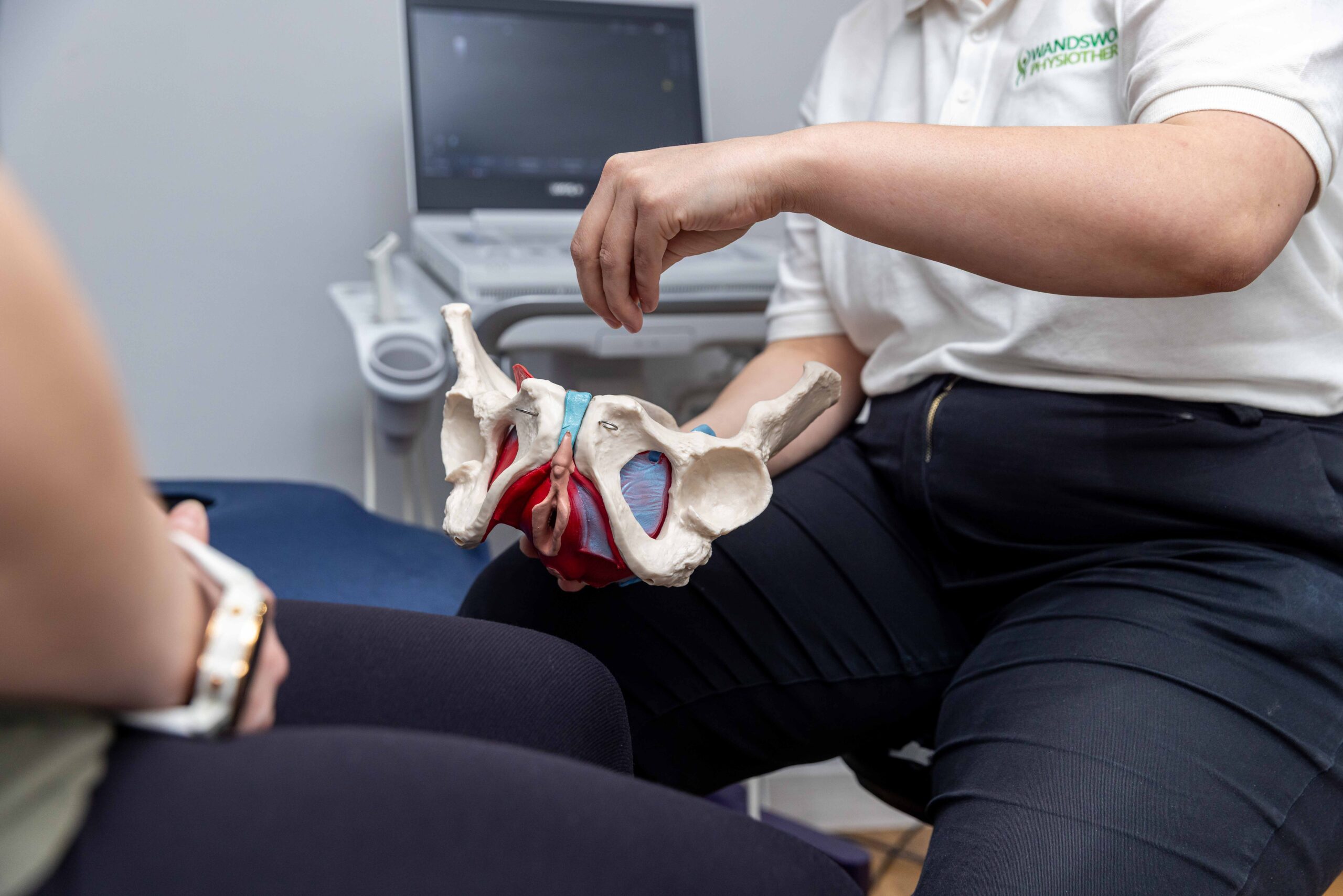
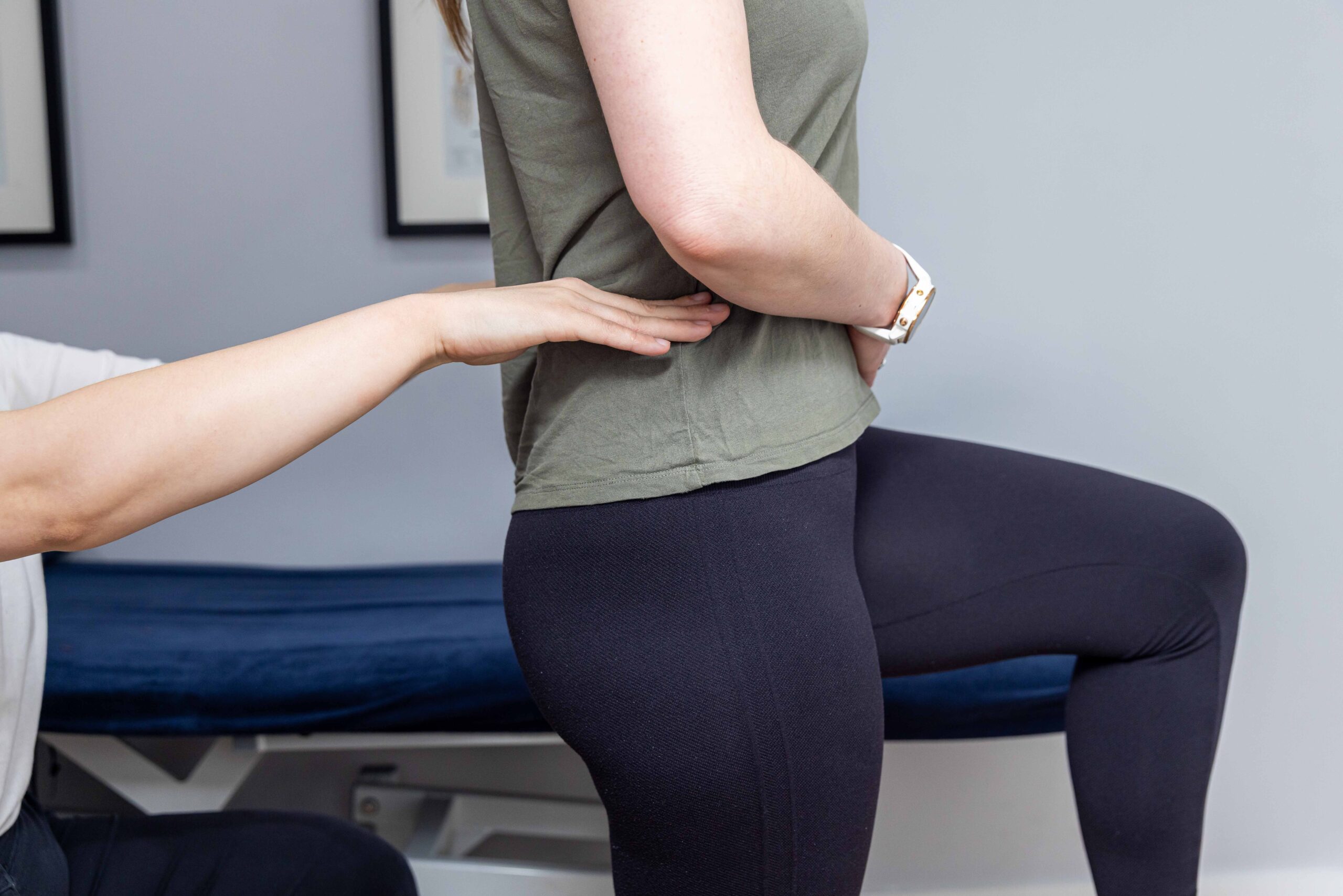
Every woman needs to have a POST-natal Check-up 6 weeks after vaginal delivery. It’s extremely common to suffer pelvic floor trauma during birth and if you don’t rehabilitate these muscles after having your baby you are much more likely to suffer from a number of problems described below.
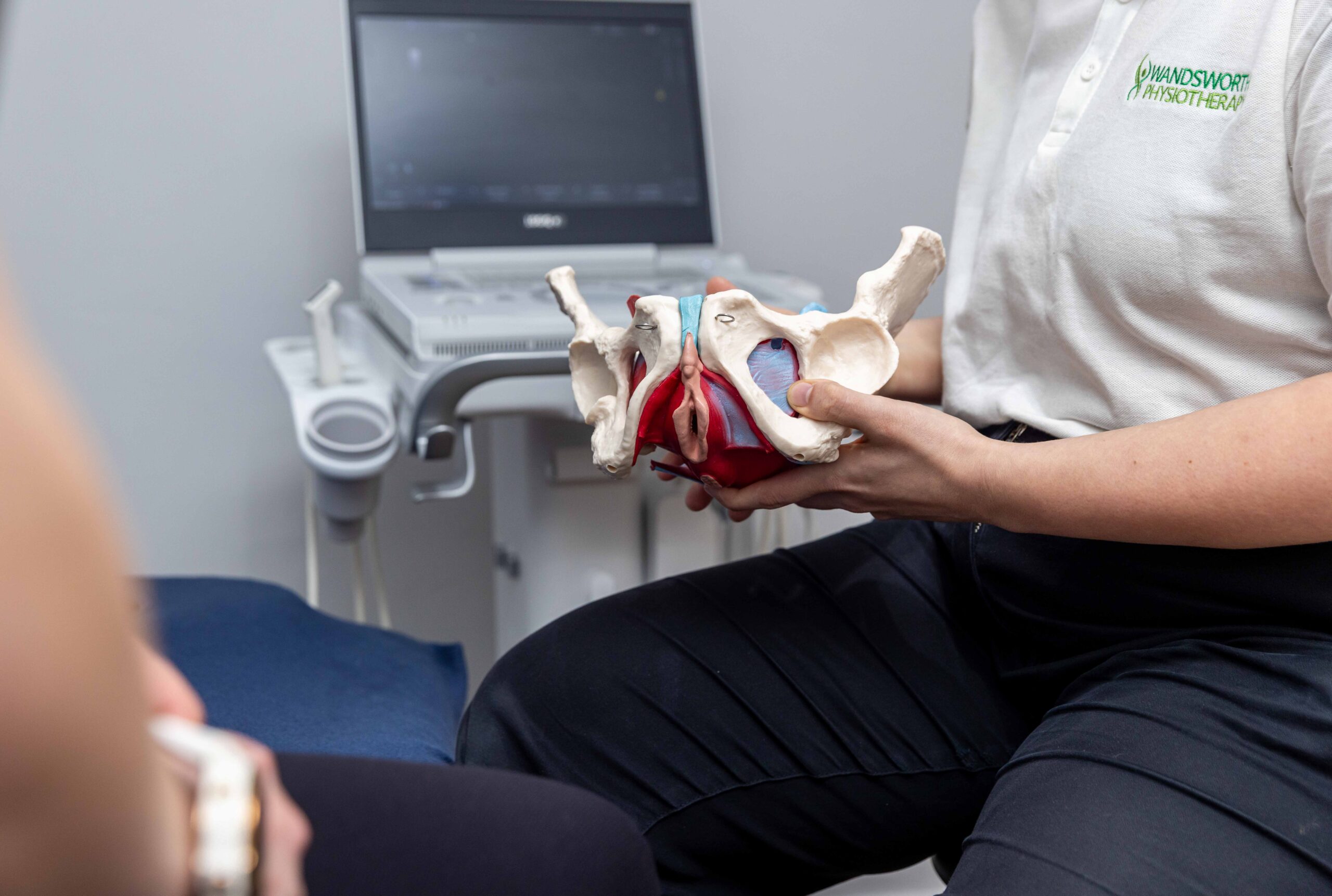
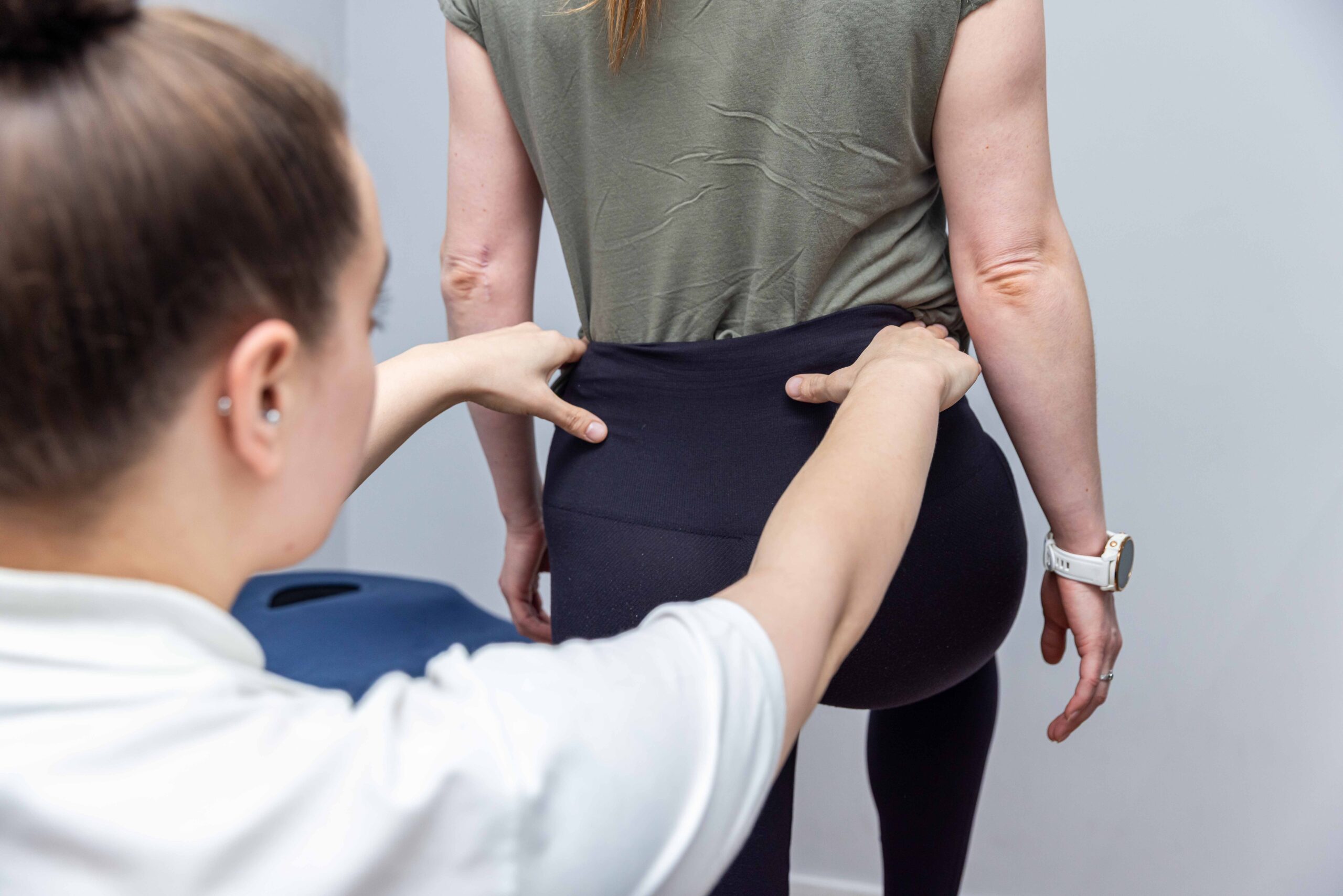
During a Women’s Health POST-natal Check-up we will assess your posture, lower back and pelvic movements, your breathing patterns, your abdominals for rectus diastasis, and the function of your pelvic floor muscles – this may involve an internal assessment of your pelvic floor (NOT ALL OUR THERAPISTS DO THIS), but is not compulsory if you are uncomfortable with this.
After your assessment we will design a treatment and rehabilitation plan to get you back to full function.
Stress incontinence is where you leak when you cough or sneeze, lift, twist or try to get back to sports or the gym. 32% of all women in the UK experience some urinary incontinence, with 45% suffering from urinary incontinence up to seven years after giving birth. You may need to start using pads to combat this embarrassing problem, however this needn’t be the case. Assessment and rehabilitation of the pelvic floor muscle can get this problem under control.
The pelvic floor muscles are intimately linked to the other spinal stabilising muscles and any dysfunction in this system can alter movement, cause joint instability and lead to pain. We will assess your pelvic and spinal movements and core stability function. We can treat areas of stiffness and dysfunction and give you individually tailored core stability home exercises.
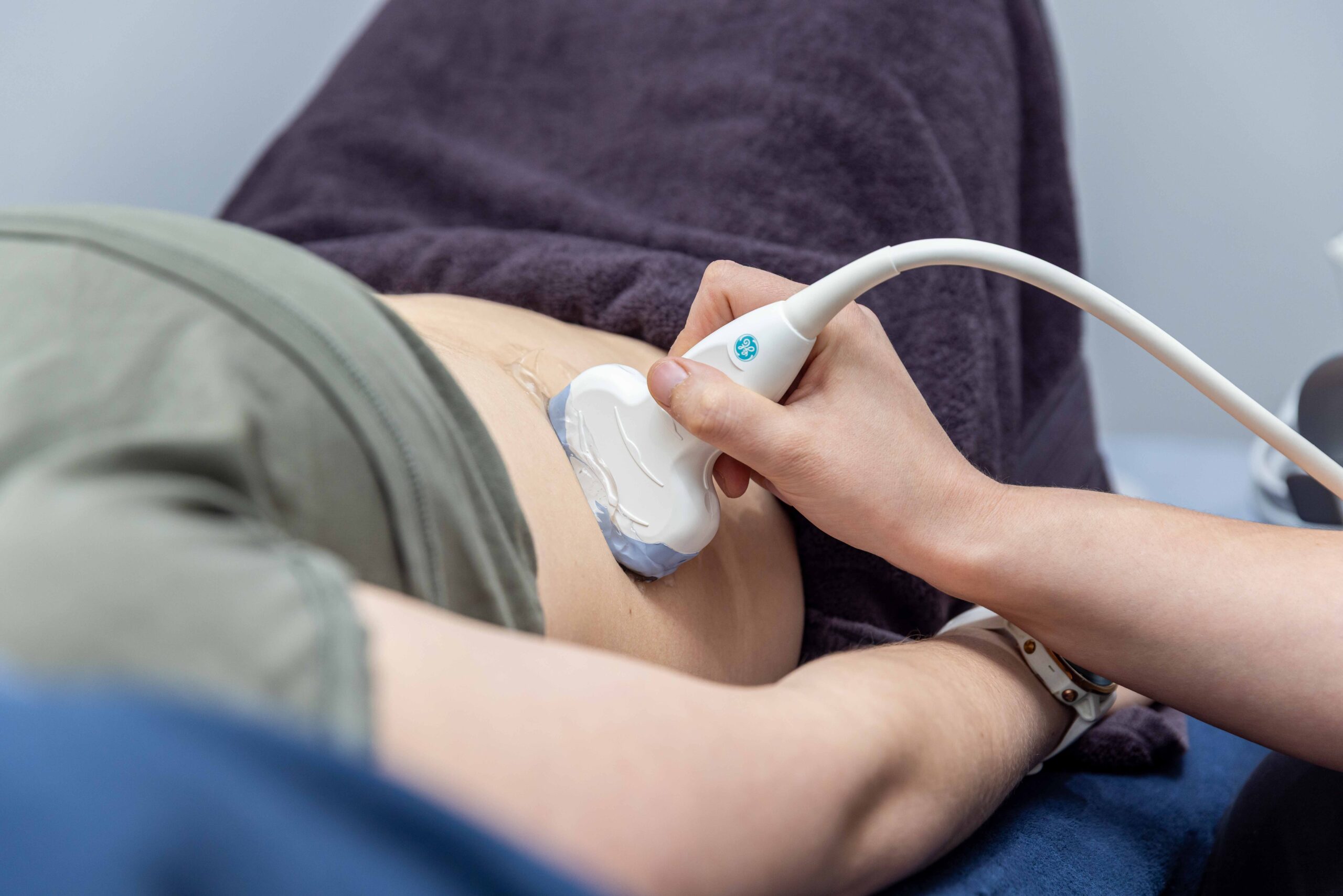
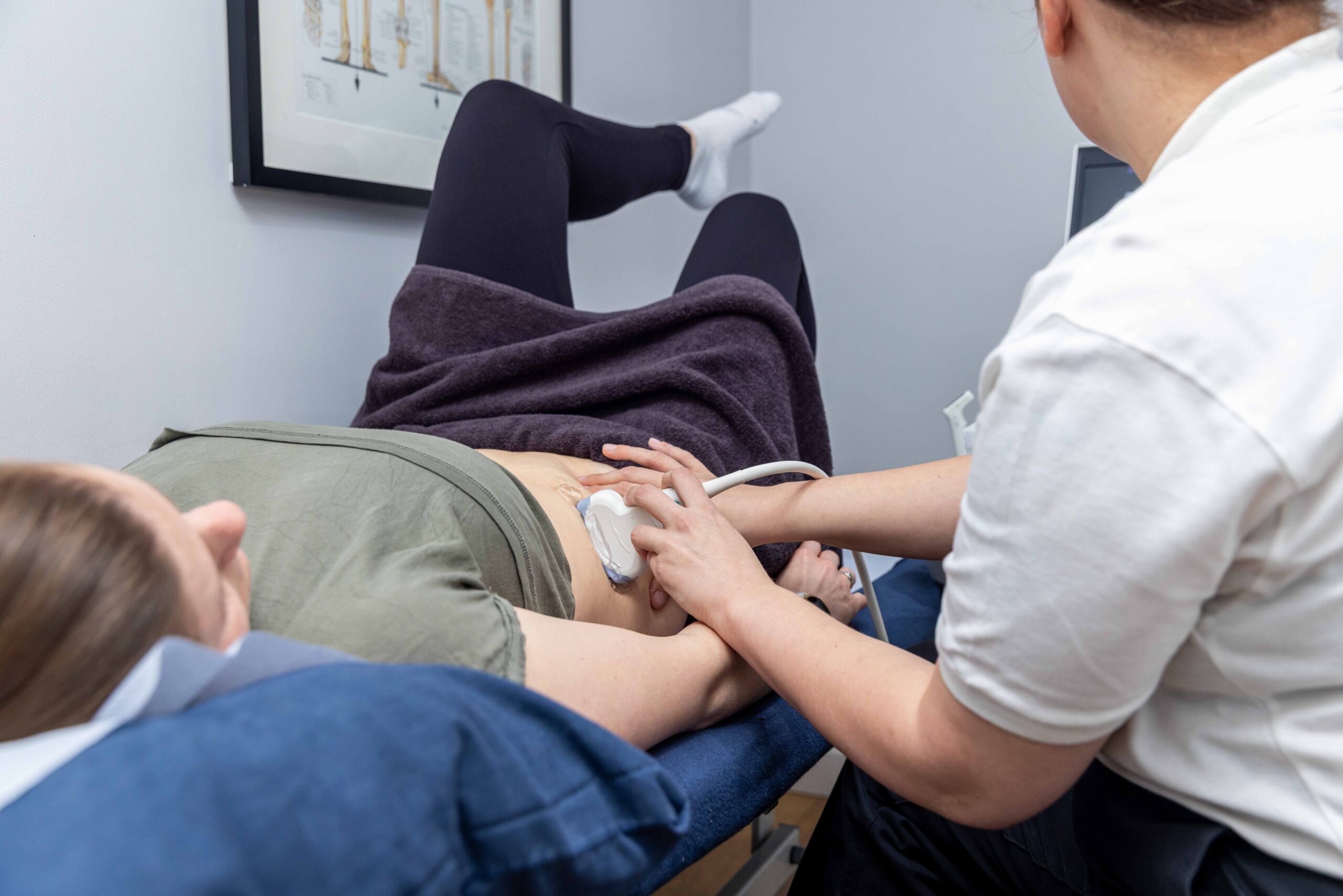
This is where the abdominal muscles separate whilst you are pregnant. Some research shows that 100% of women have diastasis at 38 weeks. This can lead to constipation / incontinence, and instability and poor function of the spine and pelvis. Our Women’s Health Team can assess this for you and give you a safe, structured and progressive solution for your recovery.
There are different types of prolapse graded 1-4. The rectum can prolapse into the vagina (rectocele), the bladder can prolapse into the vagina (cystocele) or the uterus can prolapse into the vagina. Up to 50% of mums who had a natural birth will suffer from a pelvic organ prolapse. A Women’s Health Assessment can identify if you have a prolapse and can give you the right treatment and exercises where appropriate or refer you to our in-house GP partners at The London Doctors Clinic.
If you have had a Caesarean section you will have a scar just above the pubic area that will cause abdominal muscle dysfunction, or if you had an episiotomy your pelvic floor muscles will not function properly. The abdominals and pelvic floor are important for spinal stabilisation and rehabilitating the pelvic floor abdominals as well as massage and using acupuncture on the C section scar may be warranted. We recommend you book a Women’s HealthPOST-natal Check-up 7-9 weeks after your surgery.
We will also advise you on safe and effective exercises and help you regain function post pregnancy to regain control of the pelvic floor and abdominal muscles.
Perhaps you are getting wrist pain lifting and carrying your new born or upper back and neck pain from breast feeding.
Physiotherapy or Osteopathy including joint mobilisation, massage and strength exercises will help get these problems under control.
It’s a specialist area of physiotherapy addressing pelvic health, pregnancy, postnatal recovery, menopause and women’s musculoskeletal health more broadly. A women’s health physiotherapist assesses the pelvic floor, abdominal muscles, pelvis and spine to help restore strength and confidence at any stage of life.
Our Women’s Health Physiotherapy clinic supports women through pregnancy, after childbirth and with pelvic health concerns generally.

 Anirudh Mathur
Trustindex verifies that the original source of the review is Google.
I have been coming here since 6 months now for physiotherapy on my ankle ligament, and I cannot recommend it enough! I have been treated by Nuzhat Shaikh, who has helped me reduce my daily chronic pain, and has helped me gain confidence in going back into sports. She took the time to understand my problems and provided bespoke treatment, tracking progress every session and recommending mitigating actions as required. Highly recommend! Valentin BalaschenkoAs an amateur long-distance triathlete, I developed a sciatic nerve injury that plagued me for over six months, to the point where I stopped enjoying the sport I love. Kirsty quickly identified the root cause, and after several treatment sessions the pain gradually disappeared. She also recommended physiotherapy exercises and Pilates classes to address the underlying issue and help prevent it from returning. The best validation of the treatment came recently when I completed an ultra-marathon with significant elevation, putting my sciatica to the ultimate test. There wasn’t a single niggle—my leg felt as good as new. Thank you, Kirsty, and the entire Wandsworth Therapy team, for helping me get back to doing what I love!
 Natasha KellyI visited Wandsworth Physiotherapy after straining my ACL. Nuzhat tailored my sessions to my injury and set out a clear routine of exercises to aid my recovery. Nuzhat was flexible with timings, provided massage, acupuncture and exercises. Thank you so much.
 Rhys HarrisChristina was extremely helpful during my physio sessions, super clear throughout and prescribed the best approach to resolve my overloaded arch. Thank you!
 HenryNuzhat has been my physiotherapist at Nine Elms for the last two months. Don't be fooled the quiet demeanour of this unassuming lady. She is an outstanding physiotherapist. Her knowledge of health and nutrition and her techniques (which include focused massage and acupuncture) to deal with my tendonitis and muscle strain have put me well on the road to recovery. The exercises she has given me in the WPO app (stretching, bands, ball, light weights) are tailored to me and have been a big help. Nuzhat, I can't thank you enough.
 Harry Symes-ThompsonI had a fantastic experience with Nuzhat. I had been struggling with pack pain for over 6 months and she conducted a comprehensive assessment of the issue and put me on a path to recovery through a combination of manual therapy and acupuncture. I am so happy with the progress and Nuzhat has been brilliant.
 Malgorzata KralaI am so happy with my physiotherapy sessions. They were able to fix me twice now each time quicker than expected.
 Michael FoxFriendly staff and very professional. Diagnosed and treated my shoulder issue very quickly with no re occurrence of the problem. Would highly recommend.
 Maggie SekaraPilates with Shreya - one of the best Pilates classes I've attended. I go to the Advanced Clinical Pilates class with Shreya at Wandsworth Physiotherapy and really enjoy it. The class is challenging and intense in the best way, and I always leave feeling like I've had a deep and effective workout. Shreya is friendly, attentive and knowledgeable. She pays close attention to form, ensures everyone is exercising safely, and structures the class brilliantly - with a warm-up to prepare the body for deeper work and a relaxing body scan at the end. I attended a couple of beginner classes before joining the advanced group, but once I moved to Shreya's class it was a perfect fit for my experience level. The sessions are focused, engaging and incredibly rewarding. Highly recommend.Google rating score: 4.9 of 5, based on 489 reviews
How can we assist?