Do you suffer hypermobility and EDS? Does this describe you?
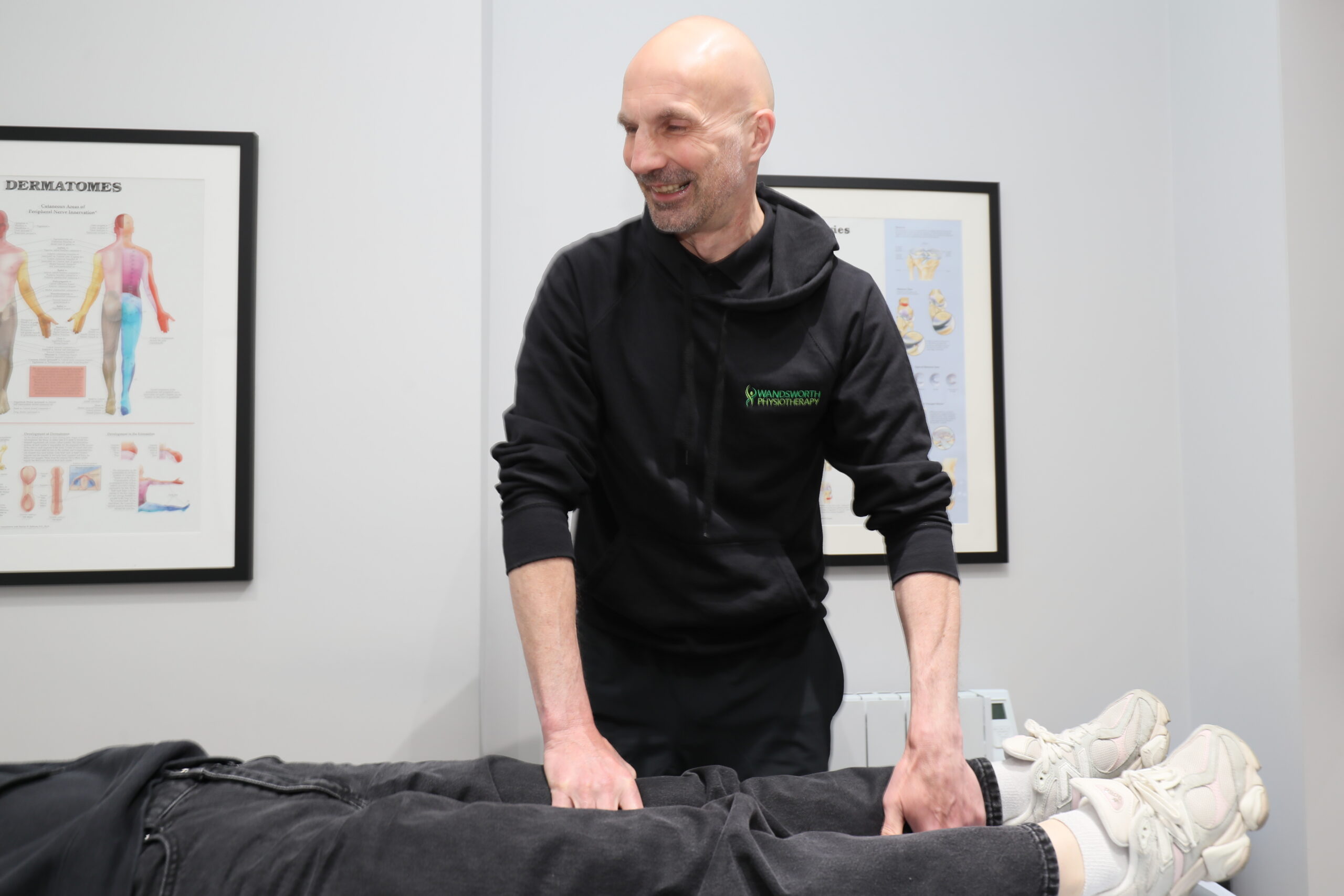
At Wandsworth physiotherapy and osteopathy our highly experienced physiotherapists across our Wandsworth Town, Putney, Clapham Junction, Battersea Nine Elms and Chelsea.clinics treat people with hypermobility and EDS just like you and help them get back to what they love doing without the fear of further flare ups of hyper mobility or EDS pain.
Hypermobility Spectrum Disorders (HSD) and Ehlers-Danlos Syndromes (EDS) collectively represent a spectrum of connective tissue disorders with varying prevalence rates. HSD, characterised by joint hypermobility and associated symptoms, affects approximately 2% of the population, making it seem a relatively uncommon condition. However, the prevalence in orthopaedic and physiotherapy clinics is much greater, being up to 50% of patients. In contrast, Ehlers-Danlos Syndromes, a group of inherited connective tissue disorders, occur less frequently, with an estimated prevalence of 1 in 5,000 individuals.
These hypermobility and EDS disorders exhibit notable demographic patterns, predominantly affecting more women than men, and especially more in Asian and African racial groups. The onset of symptoms often occurs in childhood or adolescence, although diagnosis may be delayed due to under-recognition or misinterpretation of symptoms and do tend to dimmish somewhat with age. Many patients can go years without coming to a hypermobility and EDS diagnosis.
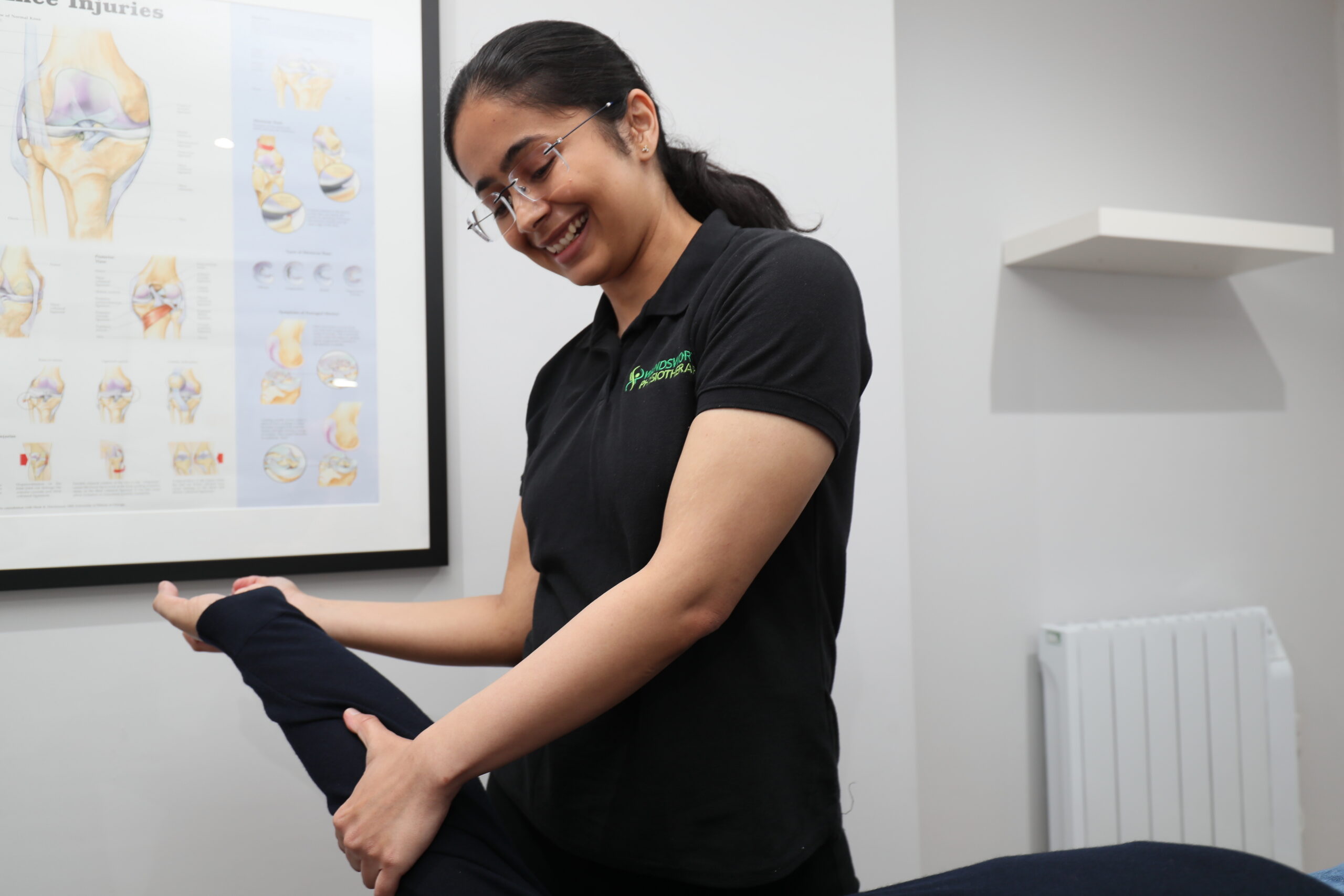
EDS encompasses 13 distinct types, each characterised by specific genetic mutations and clinical presentations. Among these, Hypermobility EDS (hEDS) and Classical EDS (cEDS) are the most common variants. Diagnosis of EDS requires the fulfilment of criteria outlined in the 2017 International Classification of the Ehlers-Danlos Syndromes, emphasising three domains: joint hypermobility, skin involvement and systemic manifestations.
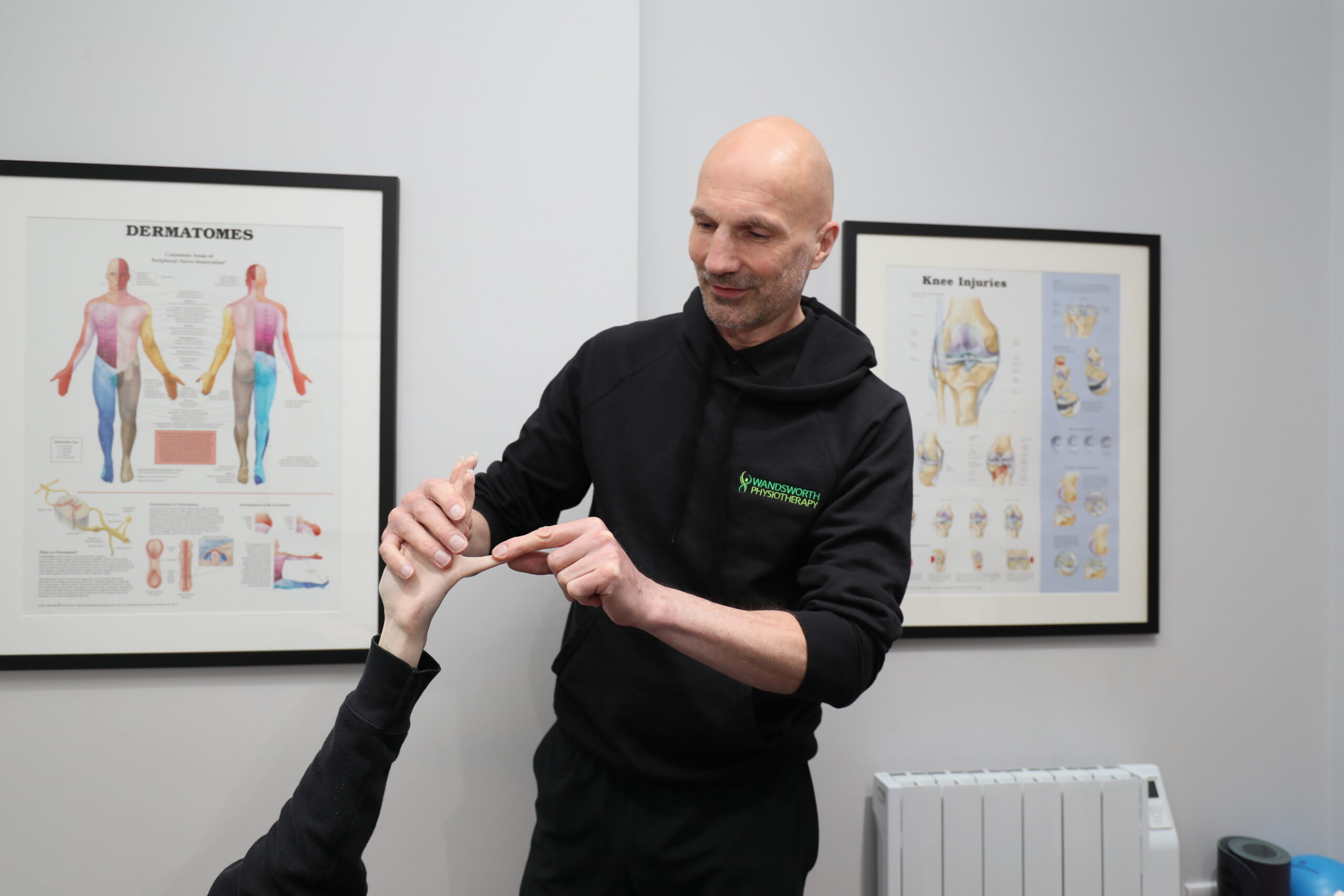
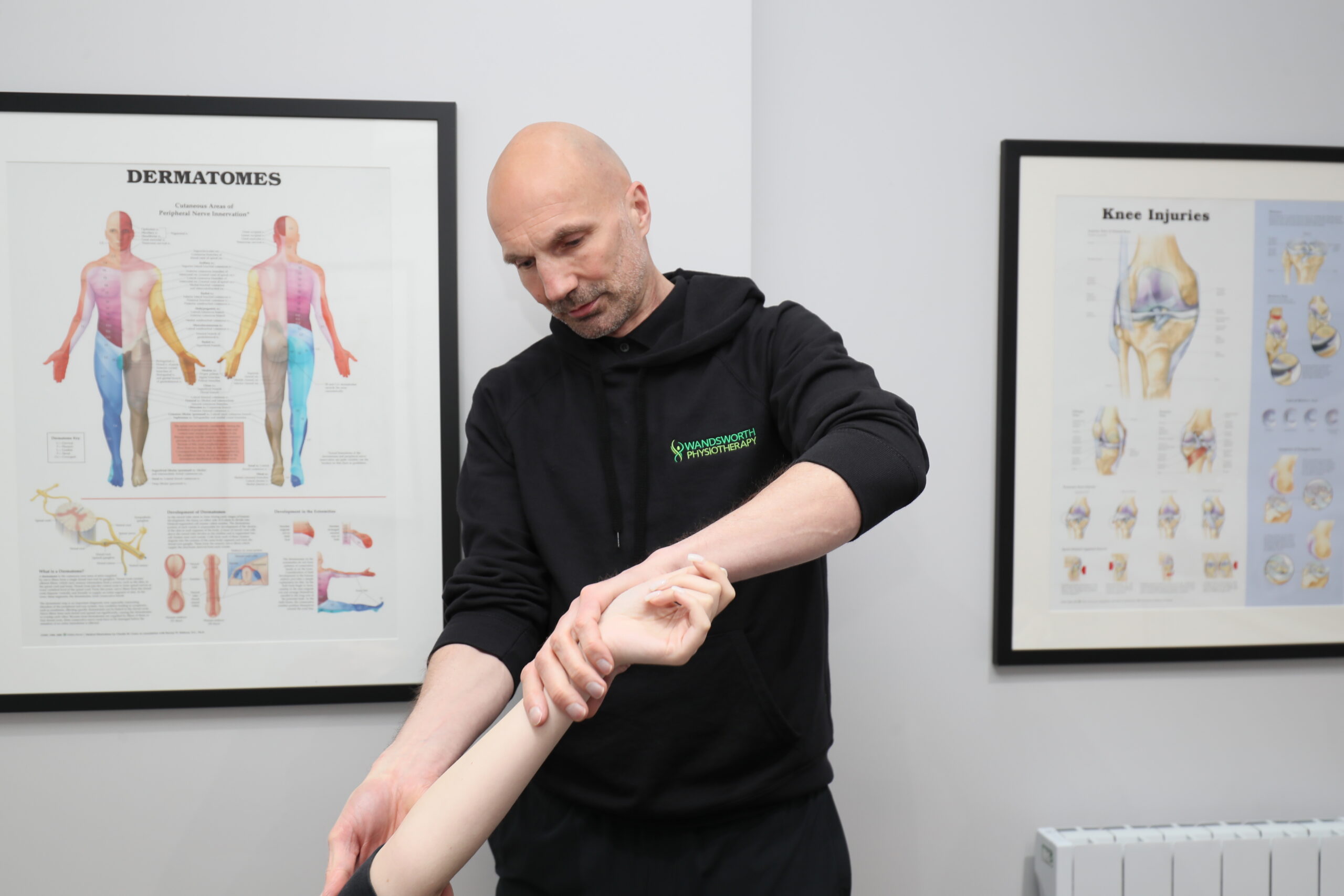
Domain 1 involves joint hypermobility and is assessed using standardised measures such as the Beighton Score, which evaluates the flexibility of specific joints. The scoring for the Beighton Scale is as follows:
The maximum score is 9 and a positive score children is 6 or more, for adults up to the age of 50 is 5 or more and those over 50 years of age 4 or more. There are problems with this score as it only involves a small number of joints, but it does give an indication. What can also be used is the 5-point hypermobility questionnaire. Ask your patient to answer the following:
Domain 2 involves skin, fascia, the pelvic floor and Marfin like symptoms. This may include hyperextensibility and fragility of the skin and abnormal scarring. Systemic manifestations encompass a wide range of symptoms, including chronic pain, gastrointestinal dysfunction and cardiovascular abnormalities as well as pelvic floor weakness and prolapse.
Domain 3 involves the absence of any other underlying heritable disorder of connective tissue including other variants of EDS.
Meeting criteria across all three domains strengthens the diagnostic accuracy of EDS.
Individuals with hypermobility and EDS often experience a myriad of signs and symptoms, reflecting the multisystem nature of the disorder. Joint hypermobility is a hallmark feature, predisposing individuals to recurrent joint dislocations, subluxations, and chronic musculoskeletal pain. Skin manifestations, such as hyperextensibility and easy bruising, result from abnormalities in collagen production and structure.
Beyond musculoskeletal and cutaneous manifestations, EDS can affect various organ systems, leading to gastrointestinal dysfunction, cardiovascular anomalies and postural tachycardia syndrome (POTS), and autonomic dysfunction. Chronic fatigue, cognitive impairment and mood disorders are also common among individuals with EDS, significantly impacting their quality of life.
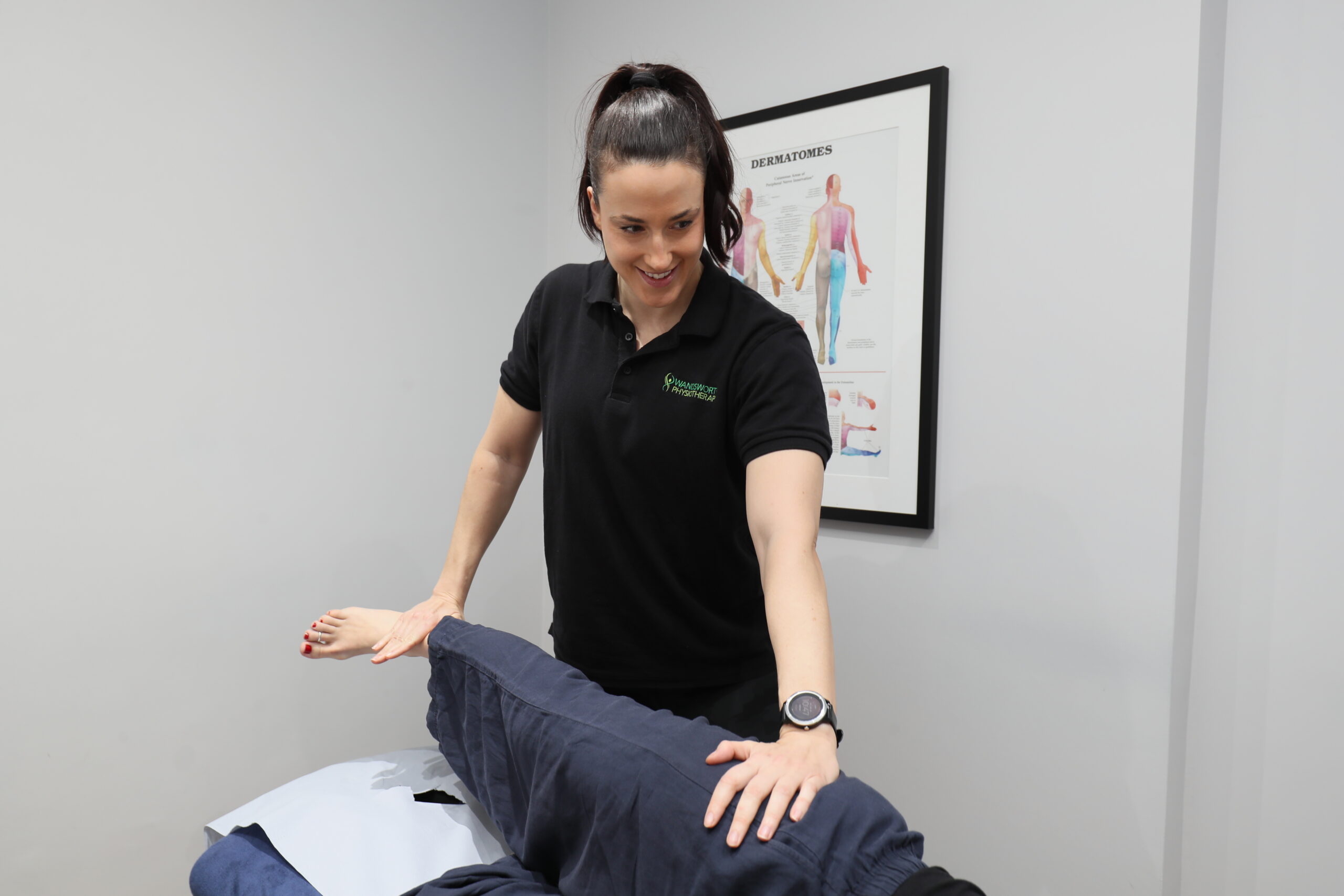
Symptoms of hypermobility and EDS can often be picked up in children who have recurrent knee or shoulder dislocations, growing pains, fatigue, poor balance and proprioception, excessively pronated feet and POTS. Very young children may also have delayed developmental milestones. These issues can affect a child’s education and quality of life impacting school attendance and performance, the development of handwriting and reduced physical education and sport participation.
Although symptoms of hypermobility and EDS do perhaps reduce with age, EDS in adults can lead to pain from premature osteoarthritis, inflammatory joint diseases and osteoporosis as well joint and muscle pain.
Physiotherapy plays a pivotal role in the management of Hypermobility and EDS, aiming to improve joint stability, reduce pain, and enhance functional capacity. A multidisciplinary approach tailored to individual needs is essential for optimal outcomes. Key physiotherapy interventions include:
External support through taping and splinting can provide stability to hypermobile joints, reducing the risk of subluxations and enhancing proprioception. Kinesio taping and custom-made splints are often employed to support vulnerable joints while promoting optimal alignment.
Hydrotherapy offers a low-impact environment for exercise, facilitating joint mobilisation, muscle strengthening, and cardiovascular conditioning for those with hypermobility and EDS. The buoyancy of water alleviates gravitational stress on joints, making it particularly beneficial for individuals with hEDS who experience chronic pain and joint instability.
Strength exercises are crucial for improving muscle function and joint stability in individuals with hypermobility and EDS. Emphasis is placed on weight bearing exercises to enhance muscle control and proprioception while minimising strain on hypermobile joints. Progressive resistance training and Pilates, guided by a skilled physiotherapist, helps prevent muscle weakness and optimise functional capacity.
Additionally, manual therapy techniques such as soft tissue mobilisation and joint mobilisation may complement exercise interventions, addressing musculoskeletal pain and stiffness. Education on joint protection strategies, activity modification and pacing is integral to empower individuals with hypermobility and EDS to manage their condition effectively.

 Anirudh Mathur
Trustindex verifies that the original source of the review is Google.
I have been coming here since 6 months now for physiotherapy on my ankle ligament, and I cannot recommend it enough! I have been treated by Nuzhat Shaikh, who has helped me reduce my daily chronic pain, and has helped me gain confidence in going back into sports. She took the time to understand my problems and provided bespoke treatment, tracking progress every session and recommending mitigating actions as required. Highly recommend! Valentin BalaschenkoAs an amateur long-distance triathlete, I developed a sciatic nerve injury that plagued me for over six months, to the point where I stopped enjoying the sport I love. Kirsty quickly identified the root cause, and after several treatment sessions the pain gradually disappeared. She also recommended physiotherapy exercises and Pilates classes to address the underlying issue and help prevent it from returning. The best validation of the treatment came recently when I completed an ultra-marathon with significant elevation, putting my sciatica to the ultimate test. There wasn’t a single niggle—my leg felt as good as new. Thank you, Kirsty, and the entire Wandsworth Therapy team, for helping me get back to doing what I love!
 Natasha KellyI visited Wandsworth Physiotherapy after straining my ACL. Nuzhat tailored my sessions to my injury and set out a clear routine of exercises to aid my recovery. Nuzhat was flexible with timings, provided massage, acupuncture and exercises. Thank you so much.
 Rhys HarrisChristina was extremely helpful during my physio sessions, super clear throughout and prescribed the best approach to resolve my overloaded arch. Thank you!
 HenryNuzhat has been my physiotherapist at Nine Elms for the last two months. Don't be fooled the quiet demeanour of this unassuming lady. She is an outstanding physiotherapist. Her knowledge of health and nutrition and her techniques (which include focused massage and acupuncture) to deal with my tendonitis and muscle strain have put me well on the road to recovery. The exercises she has given me in the WPO app (stretching, bands, ball, light weights) are tailored to me and have been a big help. Nuzhat, I can't thank you enough.
 Harry Symes-ThompsonI had a fantastic experience with Nuzhat. I had been struggling with pack pain for over 6 months and she conducted a comprehensive assessment of the issue and put me on a path to recovery through a combination of manual therapy and acupuncture. I am so happy with the progress and Nuzhat has been brilliant.
 Malgorzata KralaI am so happy with my physiotherapy sessions. They were able to fix me twice now each time quicker than expected.
 Michael FoxFriendly staff and very professional. Diagnosed and treated my shoulder issue very quickly with no re occurrence of the problem. Would highly recommend.
 Maggie SekaraPilates with Shreya - one of the best Pilates classes I've attended. I go to the Advanced Clinical Pilates class with Shreya at Wandsworth Physiotherapy and really enjoy it. The class is challenging and intense in the best way, and I always leave feeling like I've had a deep and effective workout. Shreya is friendly, attentive and knowledgeable. She pays close attention to form, ensures everyone is exercising safely, and structures the class brilliantly - with a warm-up to prepare the body for deeper work and a relaxing body scan at the end. I attended a couple of beginner classes before joining the advanced group, but once I moved to Shreya's class it was a perfect fit for my experience level. The sessions are focused, engaging and incredibly rewarding. Highly recommend.Google rating score: 4.9 of 5, based on 489 reviews
How can we assist?