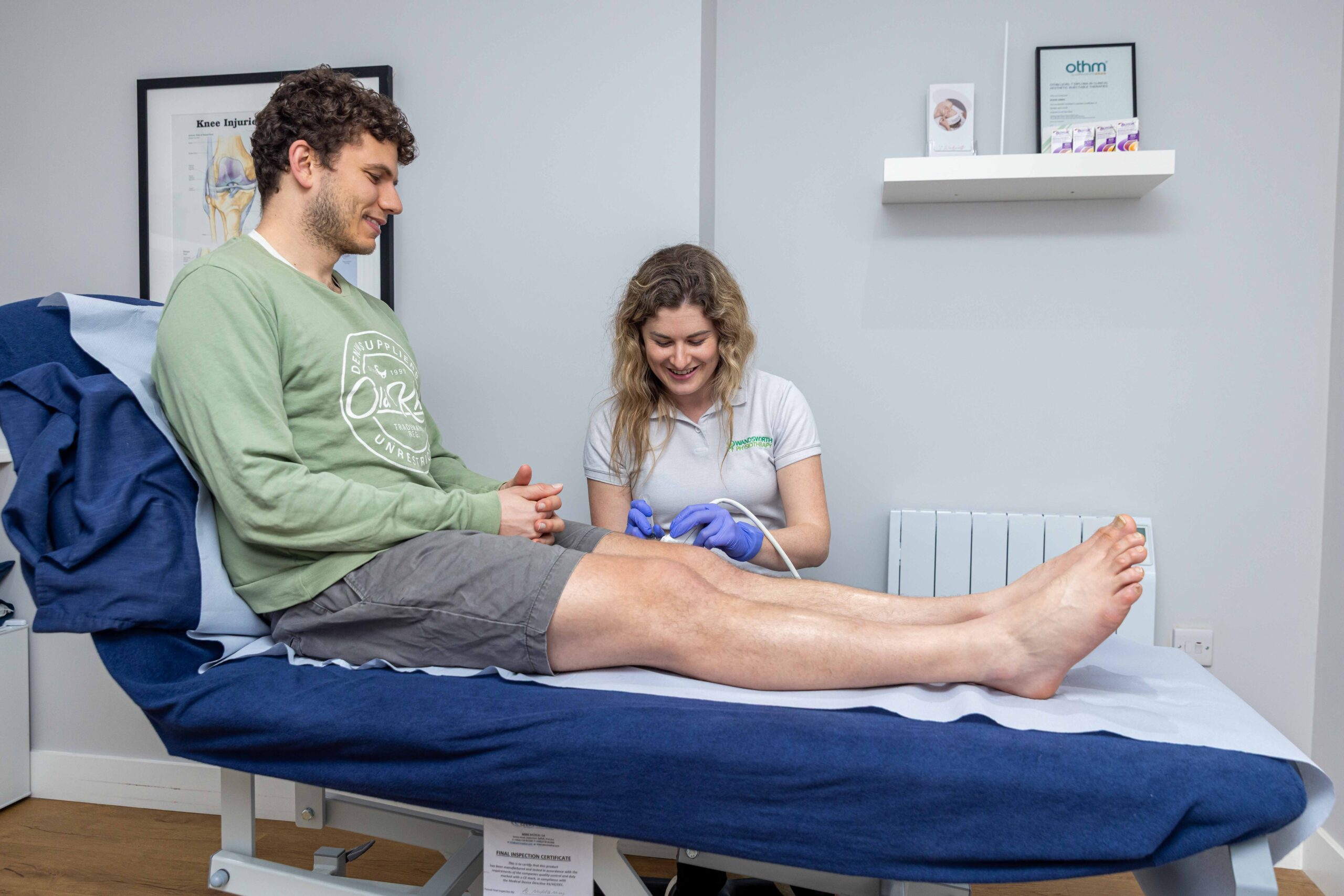

You’re training for the marathon or a triathlon; or you’ve just started a couch to 5k; or perhaps you’re just getting out on the road more to increase your PB. Like most runners YOU LOVE GETTING OUT ON THE ROAD – you train hard and you set yourself challenges to get fit or to smash your PB.
But now your Achilles is stiff and sore going down stairs in the mornings and your hip flexors are feeling tight after a run; your knees are sore when you train and walking to work is agony…
You can’t train at your desired level right now, you’re not sure if you should train through it or if that will do more damage. You’re having second thoughts about whether you’ll be able to keep training or compete…
Not only that, you miss clearing your head from a busy day’s work and not being able to run is killing you.
At Wandsworth Physiotherapy and Osteopathy clinics in Wandsworth Town, Putney, Clapham Junction, Chelsea and Battersea Nine Elms we hear this all the time!
We understand how frustrating it is for you not to be able to run. You don’t want to be told to stop running! You don’t want to be told to rest and take ibuprofen. Being able to run is what makes YOU FEEL ALIVE…
You beat your PB, you finish the marathon, you achieve running a 5k, you take part…
Do you remember how that feels?
Well, we can help get you back there…
Running is an essential movement pattern for most sports and is one of the most popular and easily accessible pass-times in the world. You might run to unwind from a stressful day at work, or with your friends, or you might do running in a fitness class or as cardio training for your sport. You just need a pair of running shoes and some outdoor space (or a treadmill).
But with more and more people taking up running, there are more and more people suffering from running related injuries that can range from being an annoyance and reducing the enjoyment of your sport to down-right agony that stops you in your tracks.
You’ll know the most common running injuries as follows:
A Run Fit assessment is ideal if you are new to running, play a sport involving running or are planning on running a marathon or half marathon. One of our expert therapists can help prevent you getting injured during this process. Or, if you are already starting to feel a niggle then don’t let it develop into an injury that will stop you getting out on the road, training or playing.
All of these running related injuries can be boiled down to being caused by poor running technique or poor organisation of your training plan. We can look at both of these for you.
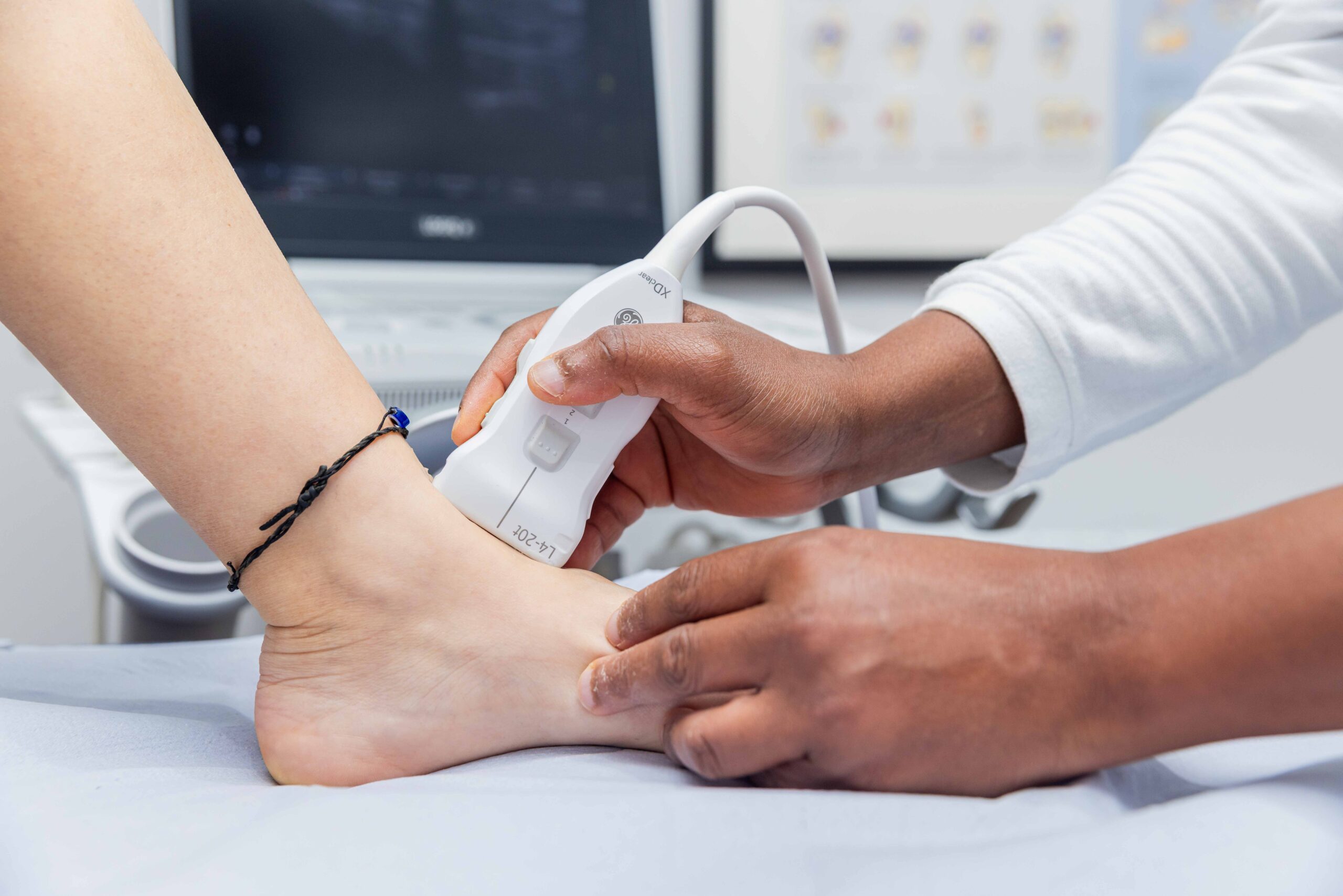
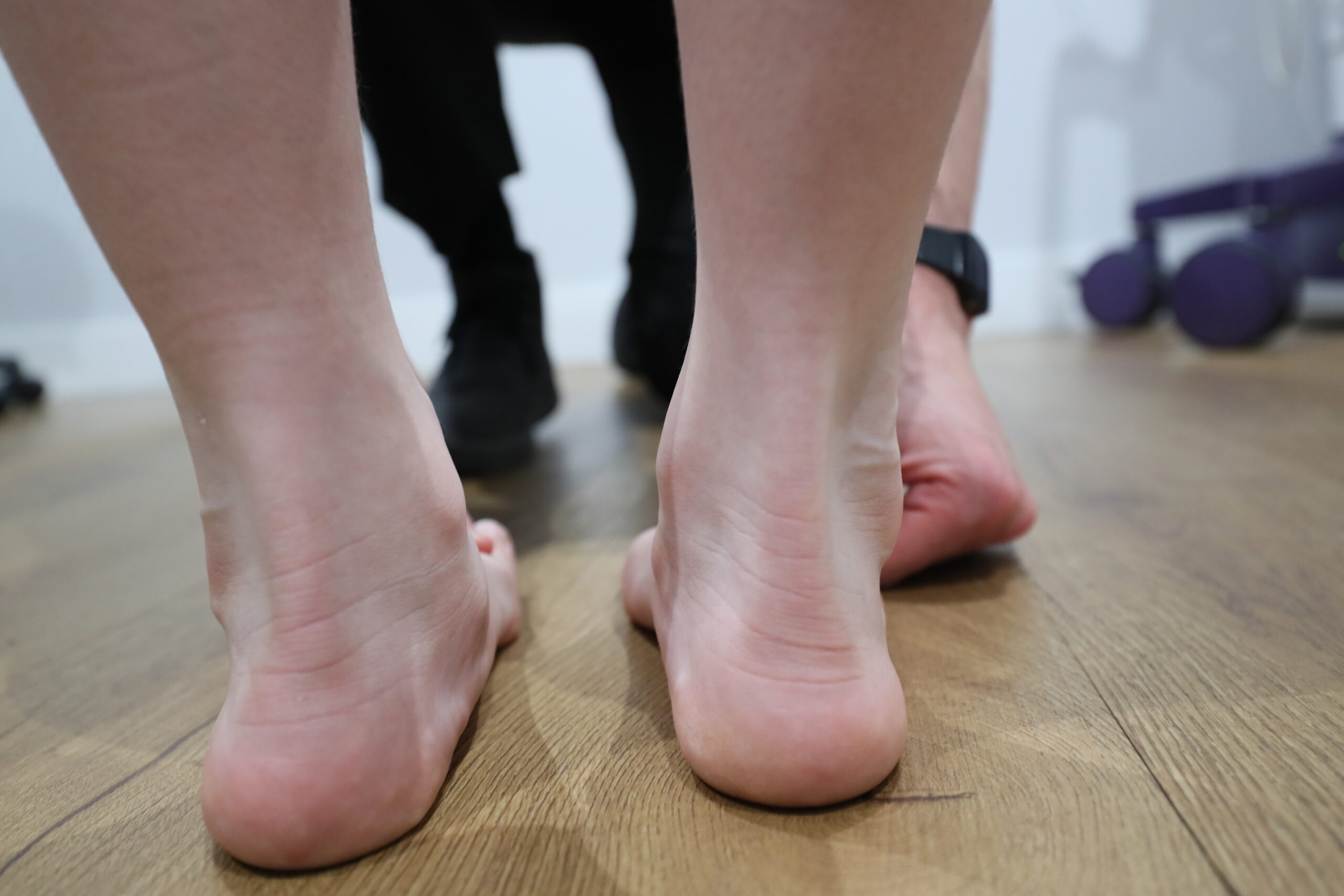
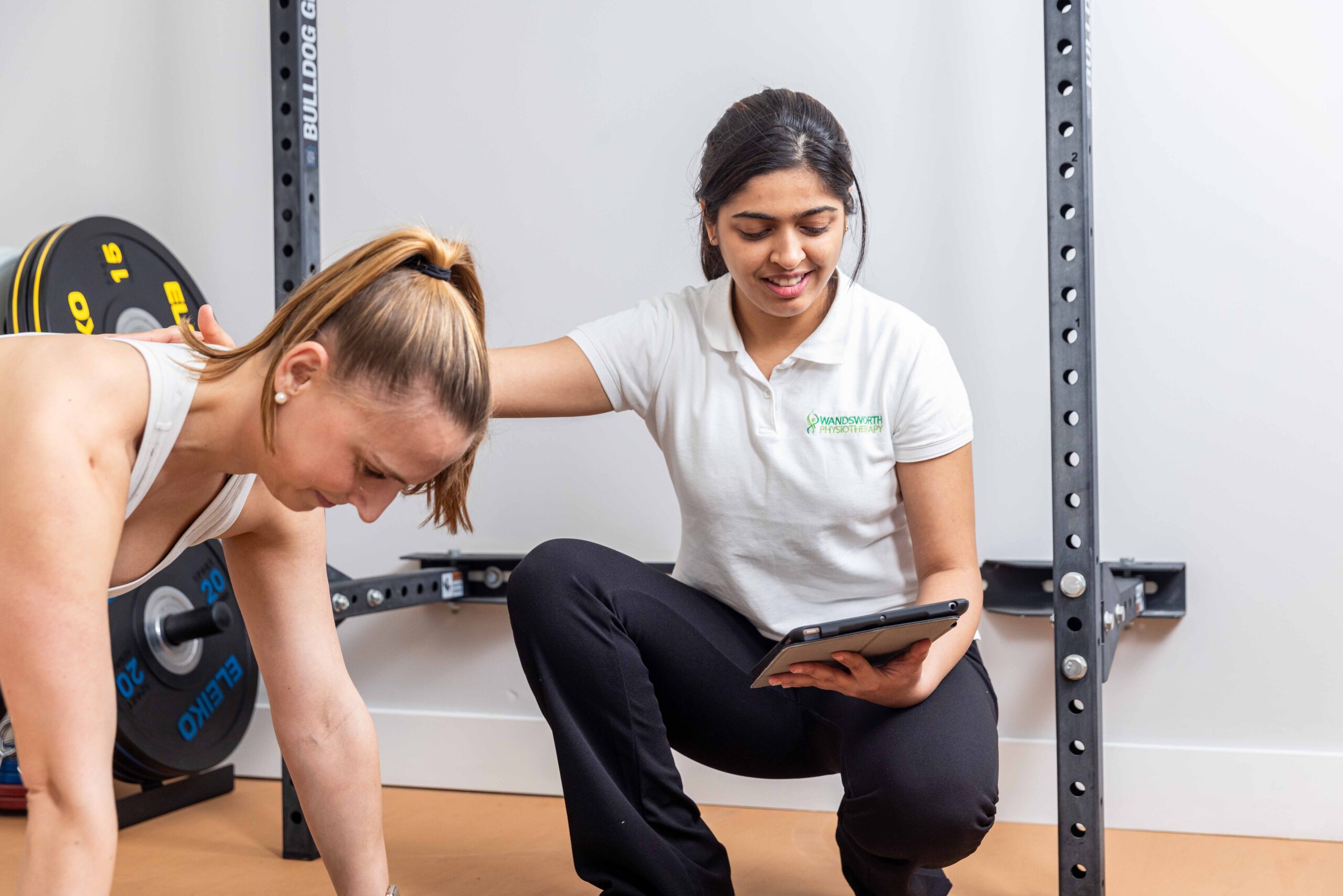
In your Run Fit assessment we can screen your movement patterns such as squatting, single leg squatting and hopping to see how your body reacts to these tasks and if there are movement faults that may impact your running. We can also assess the strength and flexibility of key muscle groups that affect your running gait or, if left untreated, could lead to an injury.
Once we have the information we need we will design you an injury prevention corrective exercise programme focusing on correcting your imbalances. This programme will include stretches and corrective strength exercises to improve your sports injury in the longer term and reduce the risk of it from happening again.
Your personalised home exercise plan can be accessed from mobile devices, laptops and computers. Each plan comes with video, pictures and descriptions so you know what you are doing at all times. You can also print out your plan and take it with you to the gym.
We can also recommend who else in our team you might need to see. We might recommend you have some physiotherapy or osteopathy, podiatry, sports massage or sports nutrition advice.
After we have corrected your movement, flexibility and strength, given you treatment (if required) and given you exercises and running technique advice we can then look at the planning of your training, helping you to get the right frequency, duration of training sessions and mileage in place to manage a running related sports injury or help you prepare for an event.
A Run Fit assessment is not only a great screening tool for non-injured athletes, it’s also essential if you are already suffering from an injury. We will be able to tell you why your injury has happened and help to fix it.
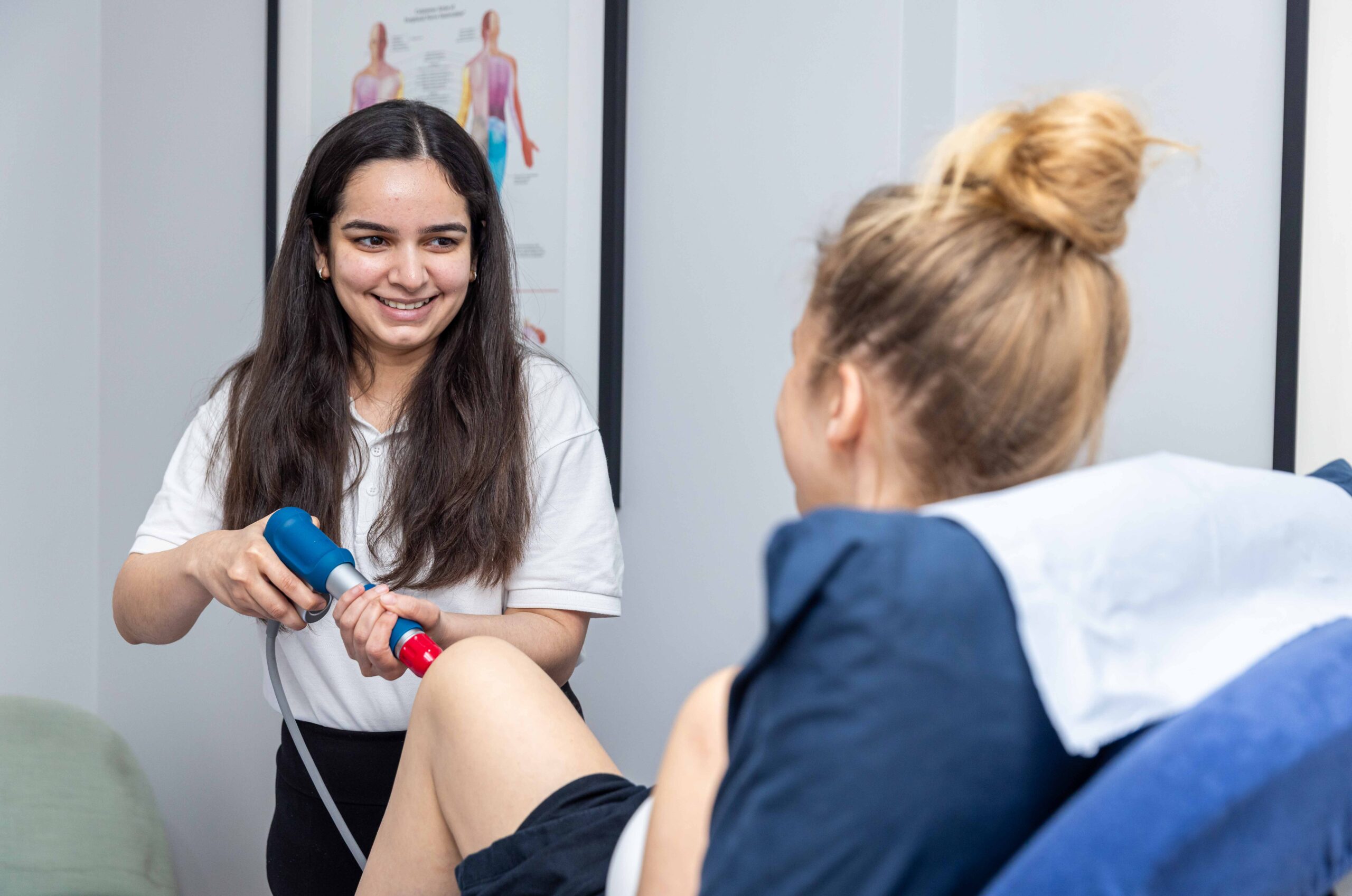
If you’re already injured you might need a little bit more input at this stage and would benefit from our Run Fit Extra. In this package you’ll get:
A Run Fit Extra package costs £110. At Wandsworth Physiotherapy and Osteopathy we believe there is nothing more frustrating than being injured and not being able to take part in sport. Call us today so we can HELP YOU end that frustration…
After we have diagnosed your running injury and completed your treatment, the next step is to get you back to running. However, the biggest risk factor for a running injury is a previous similar running injury. In our Rehab Lab we will perform a battery of functional and strength tests using motion analysis and strength dynamometry, alongside video footage of you running. With this important data we can accelerate your strength and conditioning and prepare you for your return to running programme.

 Anirudh Mathur
Trustindex verifies that the original source of the review is Google.
I have been coming here since 6 months now for physiotherapy on my ankle ligament, and I cannot recommend it enough! I have been treated by Nuzhat Shaikh, who has helped me reduce my daily chronic pain, and has helped me gain confidence in going back into sports. She took the time to understand my problems and provided bespoke treatment, tracking progress every session and recommending mitigating actions as required. Highly recommend! Valentin BalaschenkoAs an amateur long-distance triathlete, I developed a sciatic nerve injury that plagued me for over six months, to the point where I stopped enjoying the sport I love. Kirsty quickly identified the root cause, and after several treatment sessions the pain gradually disappeared. She also recommended physiotherapy exercises and Pilates classes to address the underlying issue and help prevent it from returning. The best validation of the treatment came recently when I completed an ultra-marathon with significant elevation, putting my sciatica to the ultimate test. There wasn’t a single niggle—my leg felt as good as new. Thank you, Kirsty, and the entire Wandsworth Therapy team, for helping me get back to doing what I love!
 Natasha KellyI visited Wandsworth Physiotherapy after straining my ACL. Nuzhat tailored my sessions to my injury and set out a clear routine of exercises to aid my recovery. Nuzhat was flexible with timings, provided massage, acupuncture and exercises. Thank you so much.
 Rhys HarrisChristina was extremely helpful during my physio sessions, super clear throughout and prescribed the best approach to resolve my overloaded arch. Thank you!
 HenryNuzhat has been my physiotherapist at Nine Elms for the last two months. Don't be fooled the quiet demeanour of this unassuming lady. She is an outstanding physiotherapist. Her knowledge of health and nutrition and her techniques (which include focused massage and acupuncture) to deal with my tendonitis and muscle strain have put me well on the road to recovery. The exercises she has given me in the WPO app (stretching, bands, ball, light weights) are tailored to me and have been a big help. Nuzhat, I can't thank you enough.
 Harry Symes-ThompsonI had a fantastic experience with Nuzhat. I had been struggling with pack pain for over 6 months and she conducted a comprehensive assessment of the issue and put me on a path to recovery through a combination of manual therapy and acupuncture. I am so happy with the progress and Nuzhat has been brilliant.
 Malgorzata KralaI am so happy with my physiotherapy sessions. They were able to fix me twice now each time quicker than expected.
 Michael FoxFriendly staff and very professional. Diagnosed and treated my shoulder issue very quickly with no re occurrence of the problem. Would highly recommend.
 Maggie SekaraPilates with Shreya - one of the best Pilates classes I've attended. I go to the Advanced Clinical Pilates class with Shreya at Wandsworth Physiotherapy and really enjoy it. The class is challenging and intense in the best way, and I always leave feeling like I've had a deep and effective workout. Shreya is friendly, attentive and knowledgeable. She pays close attention to form, ensures everyone is exercising safely, and structures the class brilliantly - with a warm-up to prepare the body for deeper work and a relaxing body scan at the end. I attended a couple of beginner classes before joining the advanced group, but once I moved to Shreya's class it was a perfect fit for my experience level. The sessions are focused, engaging and incredibly rewarding. Highly recommend.Google rating score: 4.9 of 5, based on 489 reviews
How can we assist?