
Well done, you did it!!
Marathon Recovery: Whether you’ve just crossed the finish line at the Paris, Manchester, London Marathon, or one of the many races happening across the UK and beyond, finishing a marathon is an incredible achievement. But – your body has just been through an absolute marathon of its own, and now it needs some TLC.
Recovery isn’t just “resting on the sofa” (although that has its place). How you manage the first hours and days post-race can make a huge difference in how quickly you bounce back and how ready you are for your next challenge.
Marathon Recovery Key Points
- Recovery after a marathon is just as important as the training itself.
- Gentle strategies for muscles, joints, and hydration can speed up recovery.
- Physiotherapy can help treat soreness and niggles before they become injuries.
- Active recovery keeps you moving without overloading your body.
- Listening to your body is key, soreness is normal, sharp pain is not.
- Wandsworth Physiotherapy helps runners recover safely and get back to training with confidence.
Why You Can’t Skip Post-Marathon Recovery
What Running 26.2 Miles Does to Your Body
Running a marathon is hard work, but not just on your legs. Your muscles, joints, tendons, ligaments, and even your core all take a beating.
Tiny tears in muscle fibers, fatigue in your tendons, and worn-down connective tissue are all part of the picture. And let’s not forget energy stores – glycogen depletion leaves your body in need of proper refuelling.
Skipping recovery is a fast-track ticket to overuse injuries, like Achilles problems, IT band syndrome, plantar fasciitis, or knee pain.
Even elite runners plan weeks of recovery; so don’t feel guilty about slowing down!
Your First 48 Hours After the Finish Line
Cool Down and Stretching (Yes, You Really Need It!)
It’s tempting to plonk down with a medal and a snack, but a gentle cool-down walk or easy jog helps flush out lactic acid and get your circulation moving again.
Follow up with light stretches for calves, hamstrings, quads, glutes, and your lower back. Keep it gentle – no forced splits!
Rehydration and Refuelling
Hydrate, hydrate, hydrate! Water, electrolytes, and a balanced post-race snack are key to restoring energy and supporting muscle repair.
Think carbs + protein – a smoothie, sandwich, or a proper meal within the first hour works wonders.
Tackling Muscle Soreness
DOMS (delayed onset muscle soreness) is totally normal.
Ice baths, foam rolling, or compression socks can help, but avoid high-impact activity for the first couple of days. Listen to your body – soreness is expected, but sharp or stabbing pain is your cue to seek help.
Avoiding Injuries While Your Body Heals
Common Post-Marathon Niggles
Even minor aches and niggles deserve attention.
Common post-marathon issues include:
- Achilles or patellar tendon irritation
- IT band discomfort
- Plantar fasciitis flare-ups
- Hip or lower back stiffness
Ignoring them can turn a “small niggle” into a weeks-long injury, so don’t tough it out.
When to Call in a Physio
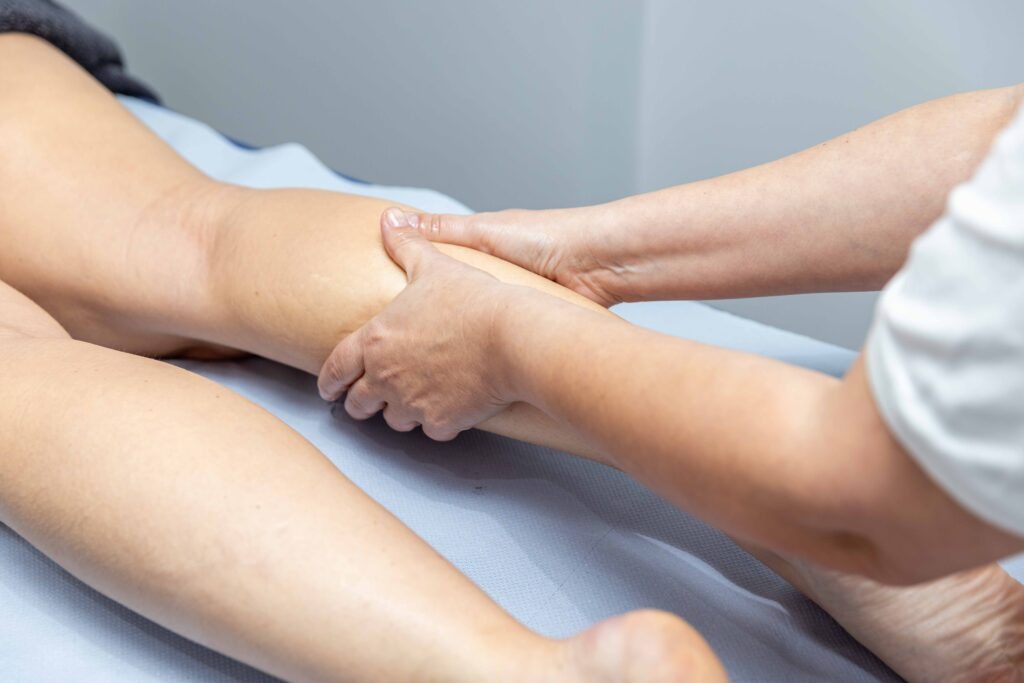
A physiotherapist help marathon recovery by assess muscle imbalances, joint stiffness, and niggles, offering hands-on treatment and rehab exercises.
Early intervention can prevent setbacks and help you return to running safely.
Active Recovery – Keep Moving Without Breaking Yourself
Low-Impact Options That Work
Active recovery promotes blood flow without stressing your fatigued muscles.
Great options include:
- Swimming or aqua jogging
- Easy cycling
- Walking or light hikes
- Gentle yoga or mobility exercises
These keep your body moving and help to speed up your recovery without adding extra strain.
Sleep, Rest, and Mental Recovery
Recovery isn’t just physical; your mind needs it too.
Good sleep, relaxation, and stress management help your body repair and prepare for future training. A few days of completely slowing down is part of smart training.
How We Help Runners at Wandsworth Physiotherapy
Post-Race Assessments and Tips
At Wandsworth Physiotherapy, we help runners check in with their bodies after big races.
Your physiotherapist at Wandsworth can:
- Spot early signs of overuse injuries
- Assess muscle imbalances or stiff joints
- Recommend safe return-to-run plans
Post-Marathon Hands‑On Physiotherapy in Wandsworth
At Wandsworth Physiotherapy, our hands‑on physiotherapy treatments are designed to support effective post‑marathon recoveryand help runners return to training safely.
Our post‑marathon recovery services include:
- Targeted soft tissue release work
- Sports massage for muscle recovery
- Joint mobilisation to restore movement and reduce stiffness
- Nutrition advice to support healing and performance
- Acupuncture for pain relief and tissue recovery
If you’ve picked up an injury after your marathon, we also offer:
- Comprehensive running assessments
- In‑clinic ultrasound scans
- Shockwave therapy for tendon and soft tissue injuries
Tailored Rehab and Strength Plans
Whether it’s foam rolling guidance, strengthening exercises, or structured progression back to running, our experienced physiotherapists provide personalised post‑marathon physiotherapy plans to get you back on your feet – stronger, safer, and ready for your next marathon.

References
- Clarkson, P.M. and Hubal, M.J., 2002. Exercise-induced muscle damage in humans. American journal of physical medicine & rehabilitation, 81(11 Suppl), pp.S52-S69
- Hoffman, M.D., Valentino, T.R., Stuempfle, K.J. and Hassid, B.V., 2017. A placebo-controlled trial of riboflavin for enhancement of ultramarathon recovery. Sports Medicine-Open, 3(1), p.14.
- Taunton, J.E., et al. (2002). A prospective study of running injuries: risk factors and rehabilitation. British Journal of Sports Medicine.
- Cheung, K., Hume, P., Maxwell, L. (2003). Delayed onset muscle soreness: treatment strategies and recovery. Sports Medicine.
- Longo, U.G., et al. (2010). Running injuries: prevention and management. British Medical Bulletin.