
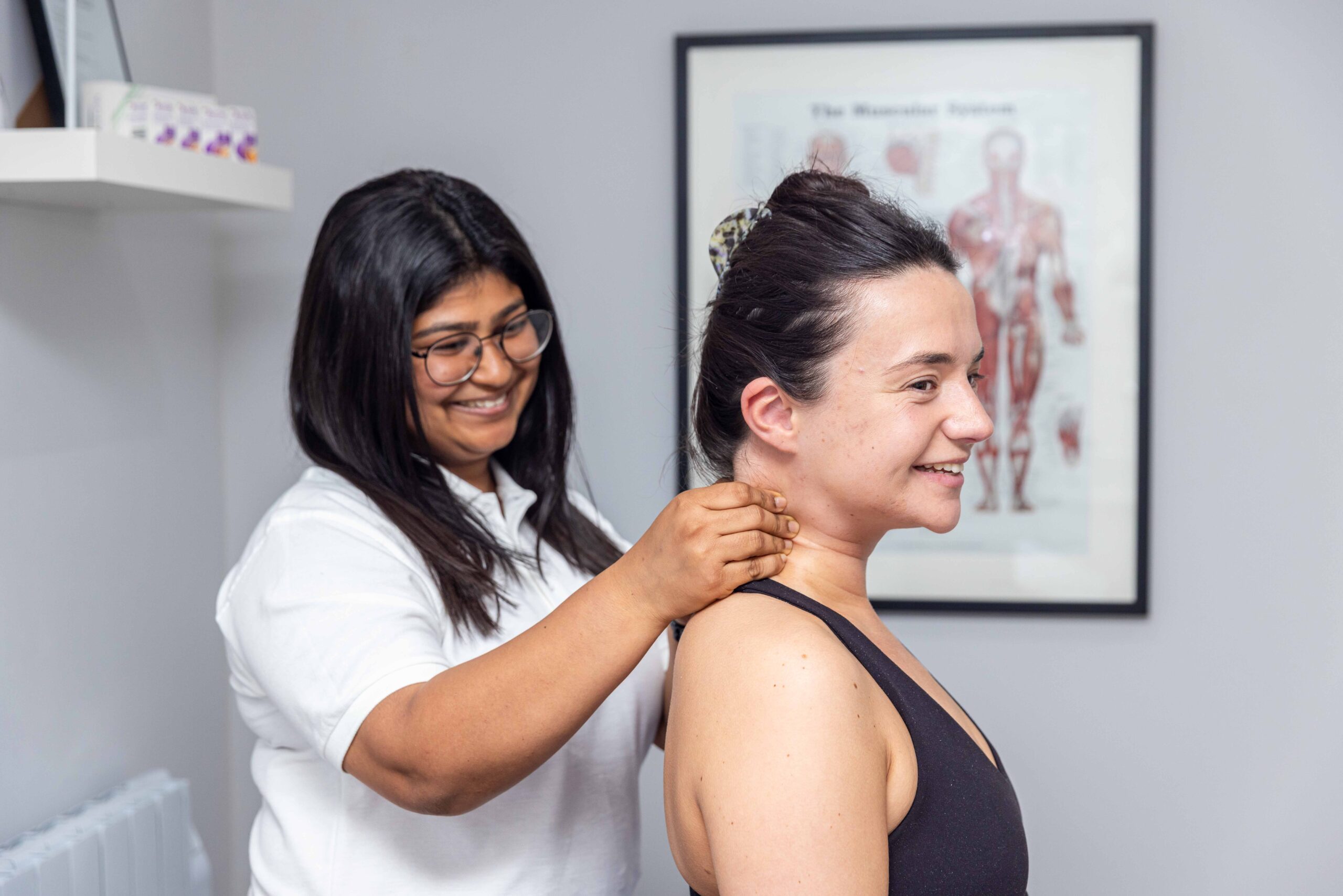
Many people suffer with headaches at some point in their life, there are a variety of reasons for your headaches and most of these are not serious. At our clinics in Wandsworth Town, Putney, Clapham Junction, Battersea and Chelsea we aim to understand the cause of your headaches. Once the causes of your headache has been established, they can often be helped. The most common sources of headaches are:
If you are suffering from headaches an appointment may help to ease your symptoms. During your appointment your practitioner will take a detailed case history, asking many questions, some of which may seem irrelevant to you. These questions are necessary to decide whether treatment is appropriate or whether onwards referral may be needed. For the best relief of headaches we recommend you combine manual therapy such as osteopathy or physiotherapy, acupuncture and nutritional therapy. We may also recommend Botox injections if your headache symptoms persist more than 15 days amonth.
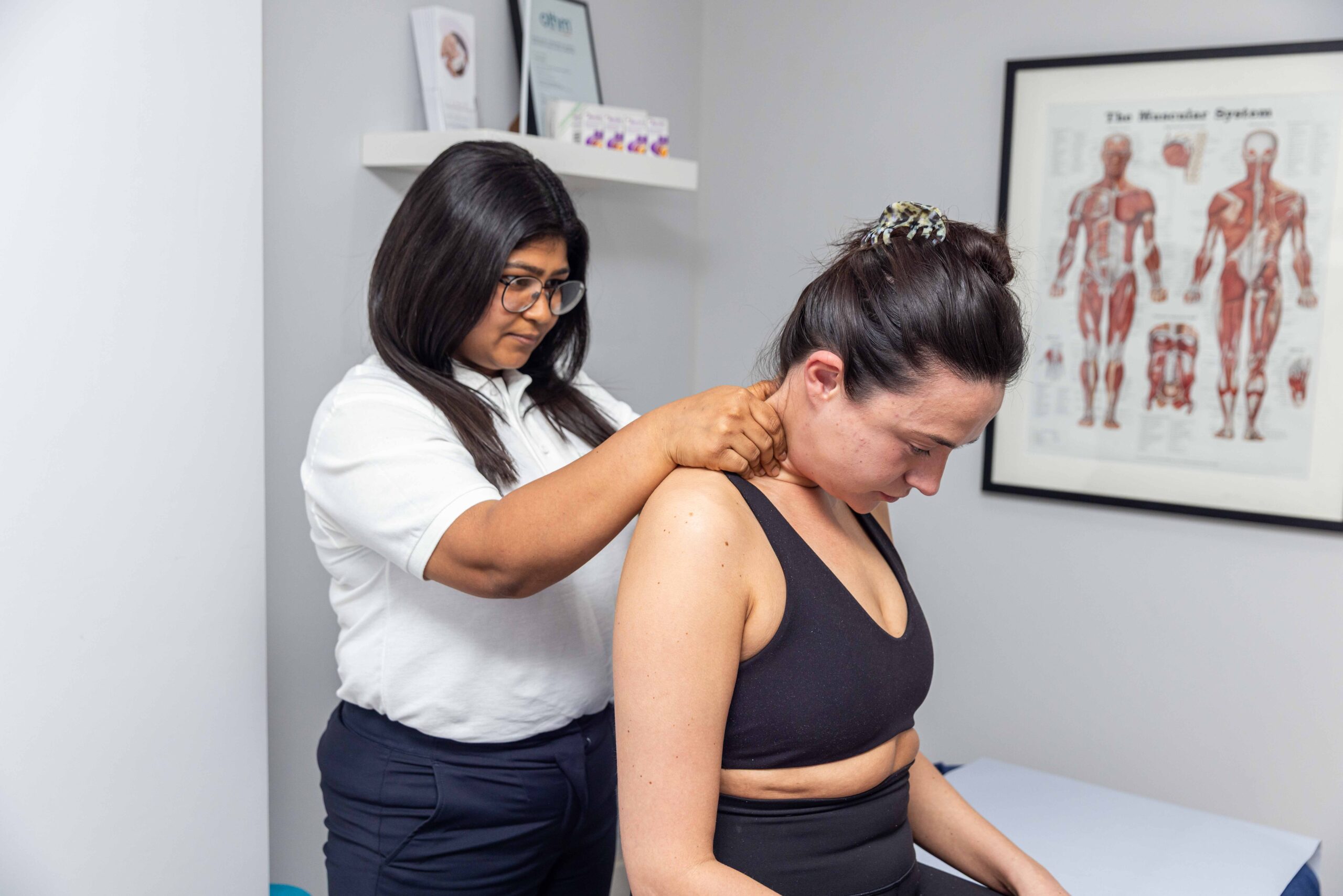
Osteopaths and physios have many treatment approaches which may help ease the symptoms of your headaches, which include soft tissue massage, stretching, manipulations of the neck and upper spinal joints, lymphatic drainage techniques, acupuncture, or trigger point therapy.
There are also many diet and lifestyle causes that can cause headaches such as blood sugar imbalances, poor dietary choices and a lack of certain vitamins and minerals. A nutritional therapy appointment compliments the manual treatment that you will receive for your headaches.
During your appointment we may also advise exercises and lifestyle changes, as well as offer guidance on your posture.
If you are suffering from headaches book and Assessment and Treatment for Headaches appointment to begin with, you may be recommended to book a nutritional therapy appointment if you are suffering migraines, cluster, hormonal or sinus headaches. Find out more about different types of headaches below.

These are the most common type of headache. Usually they are a diffuse headache of mild to moderate severity, which is often described as feeling a tight band around your head and behind the eyes.
These types of headaches are caused by tension in the muscle of the head, face and jaw in response to stress, tension, illness or poor sleep. Treatment is aimed at relaing muscle tension and includes manual therapy such as osteopathy, acupuncture and relaxing Swedish massage. Making changes in your lifestyle to reduce stress can also help. We can also perform Botox injetions to relieve these tension headaches by relaxing muscles in the head, face and neck.
Migraines is another common type of headache causing a moderate to severe throbbing pain on one side of the head. Many people also have symptoms such as feeling sick, being sick, and increased sensitivity to light or sound.
There are many types of treatment for migraines including the use of certain medications; osteopathy, massage or acupuncture and nutrition such as balancing blood sugar levels and identifying and avoiding trigger foods. Using certain supplements have also been shown to be useful for managing migraines. Botox may also be used to relieve any muscle tension with these types of headache. Read more about migraine headaches here…
A cervicogenic headache is a pain that develops in the neck but is felt as a pain in the head. These headaches usually start in the neck or back of the head and radiate towards the front of the head and around the eyes. People who experience these usually also have neck pain or stiffness and certain neck movements can aggravate the pain.
These headaches, like tension haedaches are cause by muscle tension, and are very common in people who have sedentary jobs, especially those who work on laptops or work from home. Manual tretament such as physiotherapy or osteopathy, massage and acupuncture in to the neck can be very useful in managing these headaches. It is also important to set your work station correctly and do exercises for and be aware of good posture.
Sinus headaches can be caused by, or feel like an infection within the sinus. You may feel pressure around your eyes, cheeks, or forehead, as well as the pain worsening when bending forward of laying down.
These types of headaches can be managed with certain medication to help clear the sinuses, as well a manual treatment and acupuncture around the face and head. Exploring causes for your sinus pain including what may cause blockages in the sinuses is also warranted. Removing trigger foods and food chemicals from your diet and improving your nutrition may also help with sinus headaches.
Cluster headaches are usually described as a unilateral headache behind the eye and are believed to be caused by inflammation of the trigeminal nerve, and may also be associated with lacrimation and nasal drip.
These headaches feel like they are coming from deep within the head from behind the eyes. They are neural in origin, and using anti-inflammatory treatments such as NSAID’s as well as natural anti-inflammatory treatments such as curcumin and omega 3 may help.
Headaches and migraines have a higher frequency in women. One theory is these hormoal headaches take place when oestrogen and progesterone are low in the luteal phase or around day 1 to 4 of the menstrual cycle. Using phytoestrogens to mitigate the rapid decline in fluctuating oestrogen in women who suffer hormonal headaches and migraines may be useful.
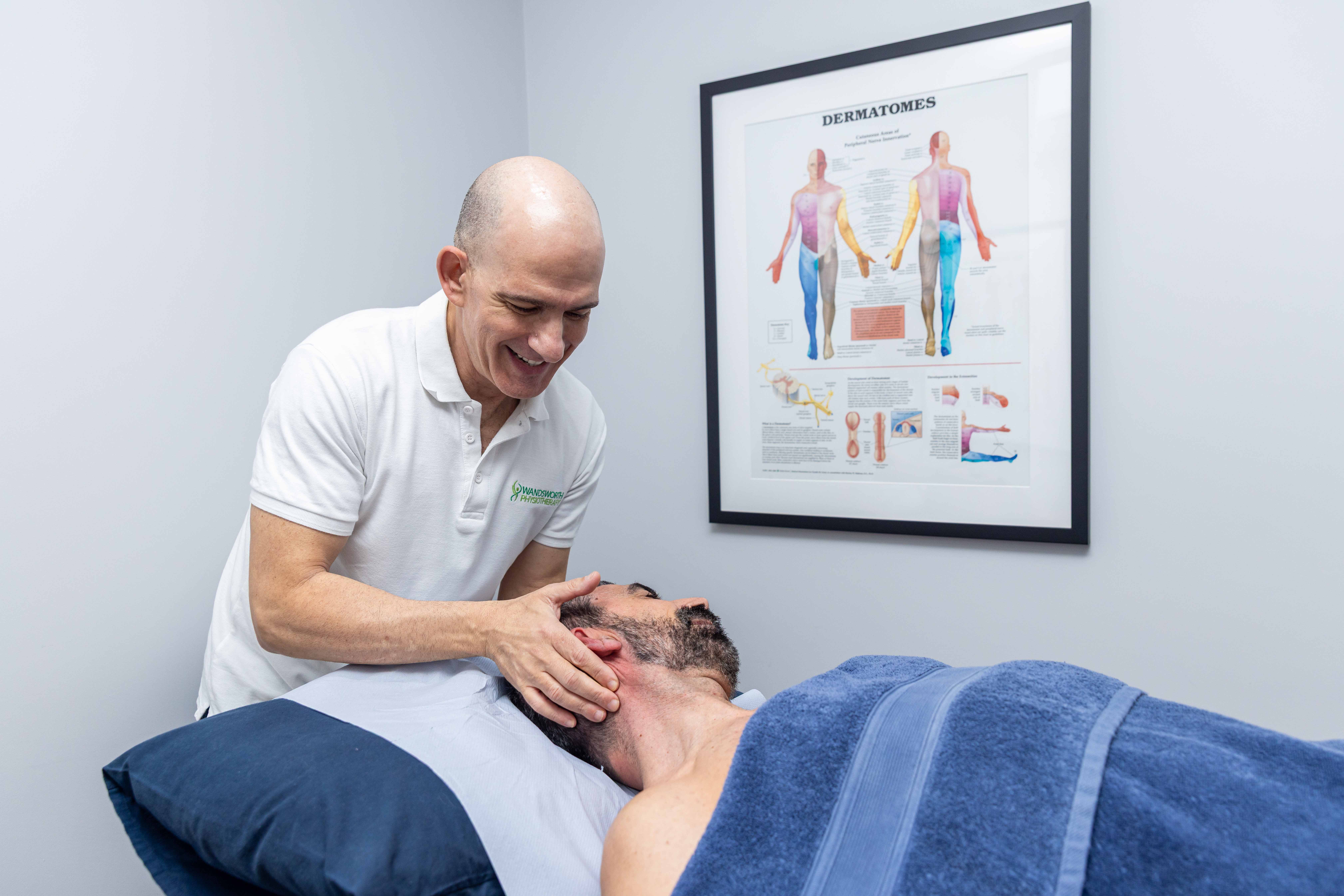
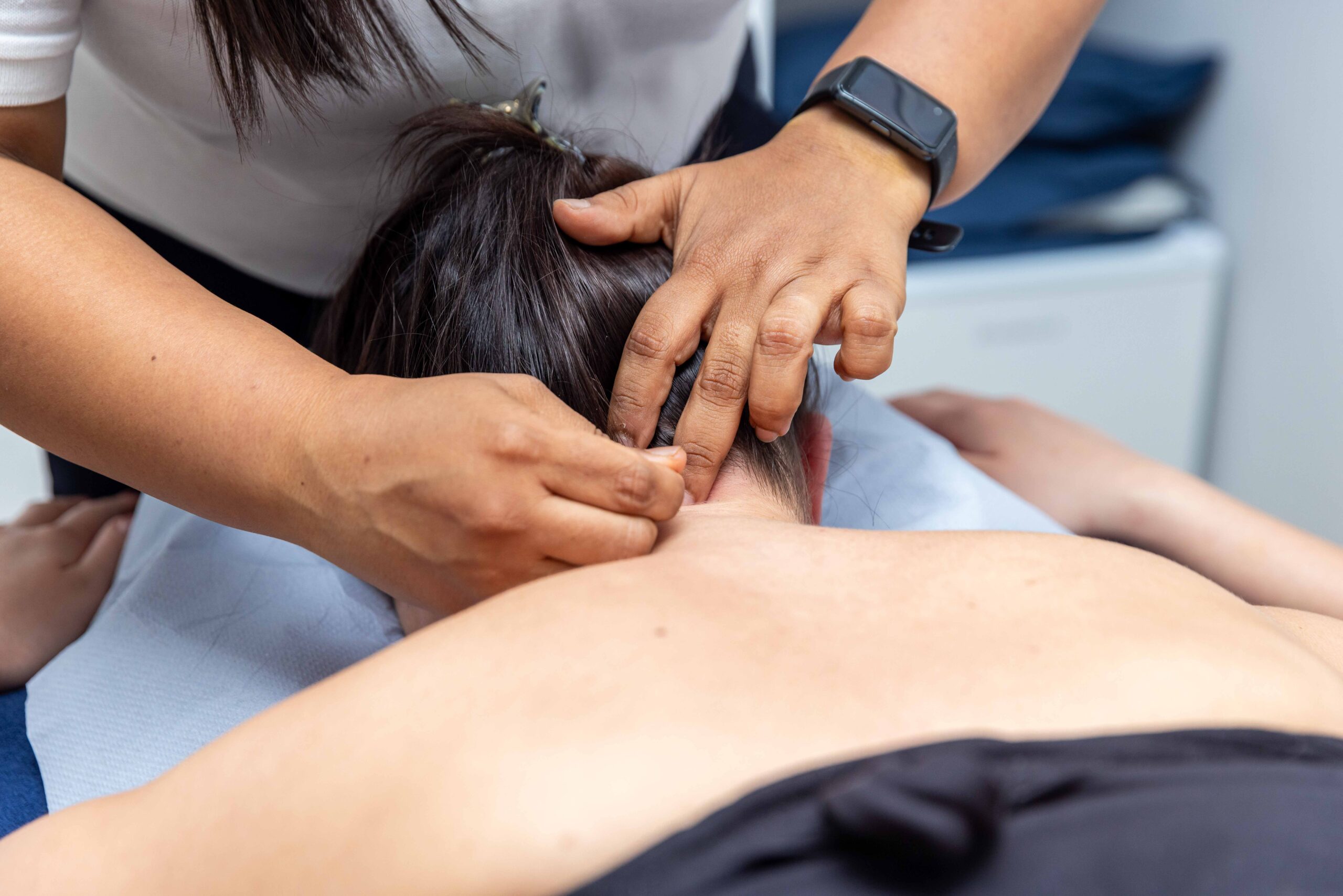
Once we understand your headache we can put together a treatment plan that can reduce the frequency and severity of your headaches. Here are some simple treatment strategies:
Yes. Many headaches — particularly tension-type and cervicogenic headaches (headaches caused by the neck) — have a physical component that responds well to physiotherapy, since restricted neck movement and tight muscles at the base of the skull commonly trigger or worsen symptoms.
Our Headache Clinic focuses on identifying whether your headaches have a musculoskeletal driver before building a treatment plan around that finding.
Trustindex verifies that the original source of the review is Google. I have been coming here since 6 months now for physiotherapy on my ankle ligament, and I cannot recommend it enough! I have been treated by Nuzhat Shaikh, who has helped me reduce my daily chronic pain, and has helped me gain confidence in going back into sports. She took the time to understand my problems and provided bespoke treatment, tracking progress every session and recommending mitigating actions as required. Highly recommend!Trustindex verifies that the original source of the review is Google. As an amateur long-distance triathlete, I developed a sciatic nerve injury that plagued me for over six months, to the point where I stopped enjoying the sport I love. Kirsty quickly identified the root cause, and after several treatment sessions the pain gradually disappeared. She also recommended physiotherapy exercises and Pilates classes to address the underlying issue and help prevent it from returning. The best validation of the treatment came recently when I completed an ultra-marathon with significant elevation, putting my sciatica to the ultimate test. There wasn’t a single niggle—my leg felt as good as new. Thank you, Kirsty, and the entire Wandsworth Therapy team, for helping me get back to doing what I love!Trustindex verifies that the original source of the review is Google. I visited Wandsworth Physiotherapy after straining my ACL. Nuzhat tailored my sessions to my injury and set out a clear routine of exercises to aid my recovery. Nuzhat was flexible with timings, provided massage, acupuncture and exercises. Thank you so much.Trustindex verifies that the original source of the review is Google. Christina was extremely helpful during my physio sessions, super clear throughout and prescribed the best approach to resolve my overloaded arch. Thank you!Trustindex verifies that the original source of the review is Google. Nuzhat has been my physiotherapist at Nine Elms for the last two months. Don't be fooled the quiet demeanour of this unassuming lady. She is an outstanding physiotherapist. Her knowledge of health and nutrition and her techniques (which include focused massage and acupuncture) to deal with my tendonitis and muscle strain have put me well on the road to recovery. The exercises she has given me in the WPO app (stretching, bands, ball, light weights) are tailored to me and have been a big help. Nuzhat, I can't thank you enough.Trustindex verifies that the original source of the review is Google. I had a fantastic experience with Nuzhat. I had been struggling with pack pain for over 6 months and she conducted a comprehensive assessment of the issue and put me on a path to recovery through a combination of manual therapy and acupuncture. I am so happy with the progress and Nuzhat has been brilliant.Trustindex verifies that the original source of the review is Google. I am so happy with my physiotherapy sessions. They were able to fix me twice now each time quicker than expected.Trustindex verifies that the original source of the review is Google. Friendly staff and very professional. Diagnosed and treated my shoulder issue very quickly with no re occurrence of the problem. Would highly recommend.Trustindex verifies that the original source of the review is Google. Pilates with Shreya - one of the best Pilates classes I've attended. I go to the Advanced Clinical Pilates class with Shreya at Wandsworth Physiotherapy and really enjoy it. The class is challenging and intense in the best way, and I always leave feeling like I've had a deep and effective workout. Shreya is friendly, attentive and knowledgeable. She pays close attention to form, ensures everyone is exercising safely, and structures the class brilliantly - with a warm-up to prepare the body for deeper work and a relaxing body scan at the end. I attended a couple of beginner classes before joining the advanced group, but once I moved to Shreya's class it was a perfect fit for my experience level. The sessions are focused, engaging and incredibly rewarding. Highly recommend.Google rating score: 4.9 of 5, based on 489 reviews
How can we assist?