
Women’s Pelvic Health Key Points
- Women’s Pelvic Health health problems are extremely common but highly treatable.
- Many women stop exercising because of pelvic symptoms.
- Specialist physiotherapy can significantly improve quality of life.
- Pelvic health matters at every stage of life.
- Early assessment and tailored rehabilitation empower women to stay active and confident.
What Is Pelvic Health and Why Women’s Pelvic Health Matters
May is Women’s Health Awareness Month, a perfect opportunity to highlight issues that affect women throughout life. One area often overlooked is pelvic health – the muscles, connective tissues, and nerves supporting the bladder, uterus, bowel, and core.
Women’s Pelvic Health issues are often quietly accepted as “normal,” particularly after pregnancy or with ageing. Symptoms like bladder leakage, pelvic pain, or discomfort during exercise are extremely common. But the truth is they are highly treatable and often preventable with the right care.
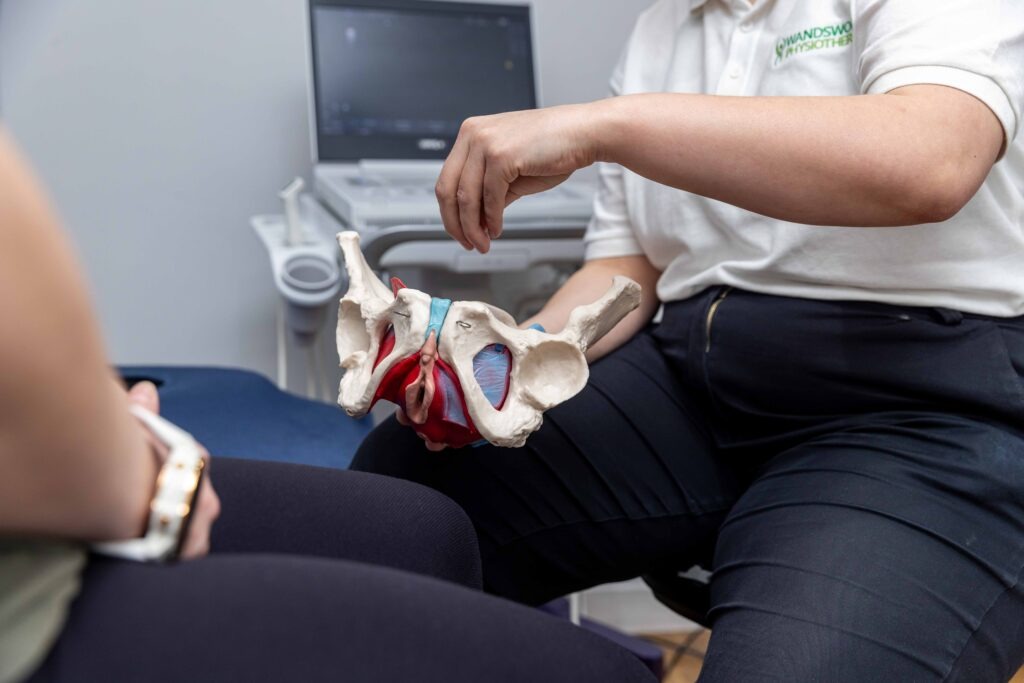
Specialist women’s pelvic health physiotherapists at Wandsworth Physiotherapy assess and treat pelvic floor dysfunction, helping women regain confidence, improve function, and return to activities without discomfort or embarrassment.
The Role of the Pelvic Floor in Daily Life and Exercise
The pelvic floor acts as a supportive hammock at the base of the pelvis.
It’s important for:
- Supporting the bladder, uterus, and bowel
- Maintaining bladder and bowel control
- Stabilising the core and pelvis
- Supporting sexual function
- Aiding recovery after pregnancy and childbirth
Despite its importance, many women only become aware of the pelvic floor when symptoms arise.
Studies suggest around one-third of women will experience a pelvic floor disorder in their lifetime.
Common Women’s Pelvic Health Pelvic Floor Conditions
Urinary Incontinence – A Common but Treatable Problem
Urinary leakage affects roughly 29–45% of women, often after childbirth, surgery, or with age. It can limit exercise and daily activities, causing embarrassment and anxiety.
Targeted pelvic floor exercises and specialist physiotherapy can strengthen the muscles and improve control, helping women regain confidence.
Pelvic Organ Prolapse – Signs, Symptoms, and Support
Pelvic organ prolapse occurs when supporting muscles weaken, causing organs like the bladder or uterus to descend. Symptoms include heaviness or pressure in the pelvis. Early physiotherapy can strengthen supporting muscles and reduce discomfort.
Pelvic Pain
Pelvic pain may involve muscles, joints, ligaments, or nerves. Women may experience pain during intercourse, exercise, or daily movements. A detailed physiotherapy assessment can identify underlying causes and guide treatment.
Postnatal Recovery – Strengthening Core and Pelvic Muscles
Pregnancy and childbirth place significant strain on the pelvic floor and abdominal muscles. Common postnatal issues include:
- Pelvic floor weakness
- Abdominal separation (diastasis recti)
- Pelvic girdle or lower back pain
Physiotherapy supports recovery, restores core strength, and enables a safe return to exercise.
Why Women’s Pelvic Health Problems Are So Widespread
Women face unique physiological and hormonal changes that affect the pelvic floor:
- Pregnancy and childbirth
- Hormonal changes during perimenopause and menopause
- High-impact exercise or heavy lifting
- Chronic straining from constipation or coughing
- Age-related tissue changes
Pelvic health issues are not limited to women who have been pregnant, making assessment and specialist guidance important for all women.
How Women’s Pelvic Health Physiotherapy Can Help
Specialist pelvic health physiotherapy involves detailed assessment of pelvic floor muscles, posture, breathing, and core stability.
Treatment is highly individual and may include:
- Pelvic floor exercises to strengthen or relax muscles
- Core stability training for the deep abdominal and spinal muscles
- Posture and movement assessment to correct biomechanical issues
- Lifestyle guidance to support daily activities and safe return to exercise
The goal is not just symptom relief but long-term pelvic health and resilience.
At Wandsworth Physiotherapy, expert physiotherapists guide women through evidence-based rehabilitation that restores function and confidence
Women’s Pelvic Health at Every Stage of Life
Pelvic health concerns are not limited to pregnancy or postnatal recovery.
Women may benefit from physiotherapy:
- Preparing for pregnancy
- Recovering after childbirth
- Experiencing pelvic pain or prolapse
- Returning to sport after injury
- Managing symptoms during perimenopause or menopause
- Improving core strength and pelvic stability
Early intervention can prevent more serious problems later and help women remain active.
Exercise, Lifestyle, and Posture Tips for Pelvic Health
Simple lifestyle changes can reduce pelvic floor strain:
- Avoid excessive high-impact activity if symptomatic – Yoga and Pilates can be a great alternative.
- Incorporate core and pelvic floor exercises regularly
- Use standing desks or supportive seating to reduce pelvic compression
- Seek postnatal assessment before resuming intense exercise
- Ensure you are getting the right nutrition and sleep
Physiotherapists at Wandsworth Physio provide tailored advice and safe exercise plans to empower women to stay active without risk of injury or worsening symptoms.
Breaking the Silence – Seeking Help and Improving Quality of Life
Pelvic health problems can affect confidence, mental wellbeing, and daily life. Many women avoid social situations or exercise due to symptoms.
Women’s Health Awareness Month is a reminder that these issues are common, treatable, and nothing to be embarrassed about. Specialist physiotherapy can restore function, reduce symptoms, and help women reclaim their lives.
If you experience bladder leakage, pelvic pain, or postnatal weakness, booking a consultation with a women’s health physiotherapist is the first step to recovery and empowerment.
How Wandsworth Physiotherapy Supports Pelvic Floor Recovery and Rehabilitation
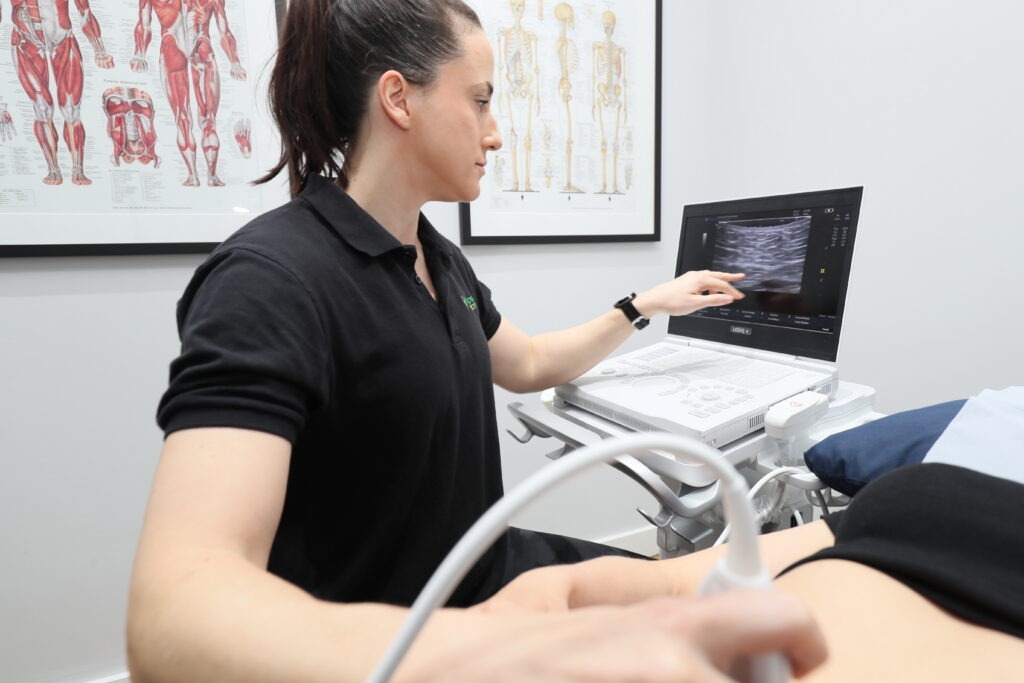
At Wandsworth Physiotherapy’s Women’s Health Clinic, women receive specialist assessment and treatment for a wide range of pelvic health and postnatal conditions in a supportive and highly experienced environment.
The clinic combines hands-on physiotherapy with advanced diagnostic tools, including real-time ultrasound imaging to assess pelvic floor muscle contractions and deep abdominal activation, helping women better understand how their muscles are functioning.
This can be particularly useful when retraining the pelvic floor after pregnancy, surgery, or episodes of incontinence.
The team also uses biofeedback technology, which provides visual or sensory feedback during exercises, helping improve muscle control, activation, and rehabilitation outcomes.
The clinic treats a wide range of conditions including:
- Incontinence
- Lower back pain
- Rectus diastasis
- Pelvic organ prolapse
- Post-surgical rehabilitation
- Other pre- and post-natal problems.
Every assessment is tailored to the individual and may include analysis of posture, breathing patterns, pelvic movement, core stability, and pelvic floor function to create a personalised treatment plan.
The aim is not only to reduce symptoms, but to help women feel stronger, more confident, and able to return safely to exercise, work, sport, and everyday life.
References
- Peinado-Molina, R.A., Hernández-Martínez, A., Martínez-Vázquez, S., Rodríguez-Almagro, J. and Martínez-Galiano, J.M., 2023. Pelvic floor dysfunction: prevalence and associated factors. BMC public health, 23(1), p.2005.
- Dakic, J.G., Cook, J., Hay-Smith, J., Lin, K.Y. and Frawley, H., 2021. Pelvic floor disorders stop women exercising: A survey of 4556 symptomatic women. Journal of science and medicine in sport, 24(12), pp.1211-1217.
- Curillo-Aguirre, C.A. and Gea-Izquierdo, E., 2023. Effectiveness of Pelvic Floor Muscle Training on Quality of Life in Women with Urinary Incontinence: A Systematic Review and Meta-Analysis. Medicina, 59(6), p.1004.