
Men’s Health Physiotherapy
Men’s Health Physiotherapy: The male pelvic floor is a group of deep muscles that sit like a supportive hammock at the base of the pelvis. At Wandsworth Physiotherapy, our men’s health specialists explain how these muscles work together to control bladder function, support sexual performance, stabilise the core, and keep everything in the lower pelvis working smoothly. They’re arranged in layers: a deep layer that provides strength and stability, and a more superficial layer that helps with control, coordination, and pressure management during movement.
Just above these muscles sits the prostate, which wraps around the urethra and plays a key role in ejaculation and urinary flow. The bladder stores urine, while the urethra passes through the pelvic floor and relies on these muscles to stay closed when needed and relax when it’s time to empty. At Wandsworth Physiotherapy, we help patients understand how these structures interact and how pelvic floor control supports bladder and prostate health.
The pelvic floor also provides subtle support to the penis and testicles, helping maintain blood flow, erectile function, and comfortable movement during daily activities and exercise. Our Wandsworth men’s health physiotherapy clinic often sees how improving pelvic floor coordination can enhance confidence and comfort in everyday life.
All of this is coordinated by a network of nerves—including the pudendal nerve—that control bladder signals, sexual arousal, ejaculation, and muscle activation. When these structures work well together, the pelvic floor becomes a powerful, responsive system that supports strength, control, and confidence – something we aim to restore through specialist pelvic floor physiotherapy in Wandsworth.
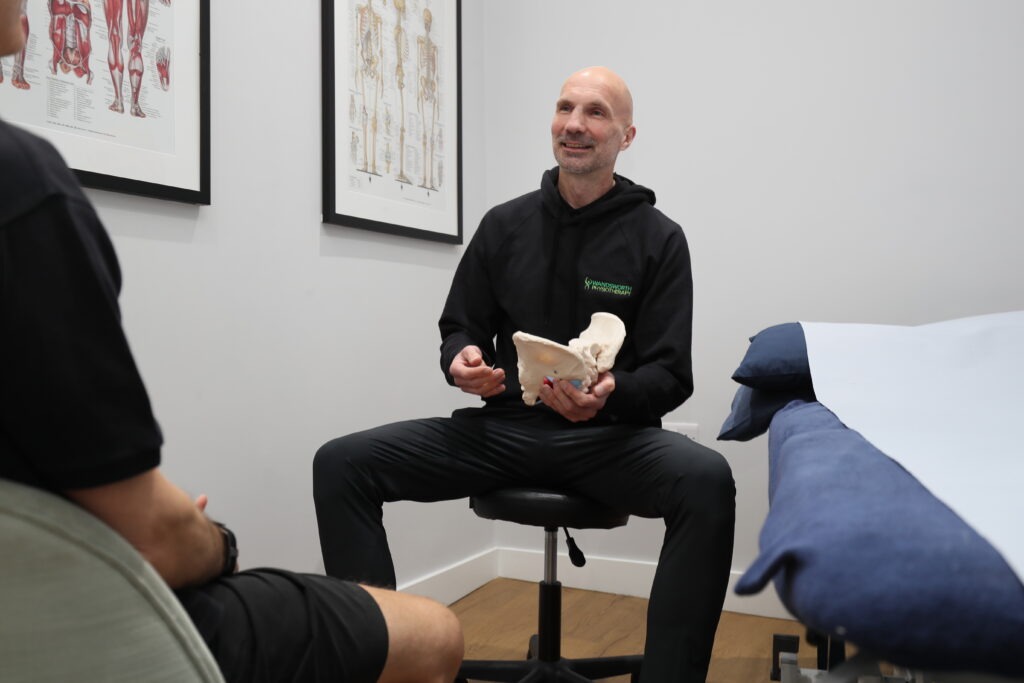
Understanding Men’s Health Physiotherapy: What the Pelvic Floor Actually Does
Now that you know the key structures involved, it’s easier to understand what the male pelvic floor actually does day‑to‑day. These muscles play a quiet but essential role in keeping bladder, bowel, and sexual function running smoothly — often without you even noticing.
For bladder control, the pelvic floor helps keep urine in when you need it to, then relaxes at the right moment so you can empty comfortably. At Wandsworth Physiotherapy, we guide men through exercises that retrain this coordination, improving bladder control and confidence. It also supports bowel control, managing pressure and helping you avoid straining — an important focus of men’s pelvic floor physiotherapy in Wandsworth for long‑term pelvic health.
The pelvic floor is also deeply connected to sexual function. These muscles help maintain erections, support ejaculation, and contribute to overall sexual confidence and responsiveness. In our Wandsworth men’s health physiotherapy clinic, we often see how restoring pelvic floor balance helps these functions feel more natural and controlled.
Beyond these functions, the pelvic floor adds support and stability to the pelvis, hips, and lower back. It works with your core to keep you steady during lifting, running, and everyday movement. At Wandsworth Physiotherapy, we help patients strengthen this connection so the pelvic floor supports posture and performance throughout daily life.
Despite doing so much, the pelvic floor is rarely talked about. Most men only learn about it when something changes. Understanding what it does is the first step toward better bladder control, bowel health, sexual function, and long‑term pelvic wellbeing — something we emphasise in men’s health physiotherapy in Wandsworth.
Once you understand what the pelvic floor does, it becomes easier to see how things can drift away from normal function. Most pelvic floor dysfunction in men falls into three broad patterns: too tight, too weak, or poorly coordinated. Each pattern affects bladder control, bowel habits, sexual function, and overall pelvic comfort in different ways. At Wandsworth Physiotherapy, we help men identify which pattern applies and guide them through targeted men’s pelvic floor physiotherapy in Wandsworth to restore balance and control.
Three Common Ways Pelvic Floor Function Breaks Down
A too‑tight pelvic floor is extremely common. Stress, breath‑holding during lifting, constant bracing at the gym, or clenching throughout the day can keep these muscles switched “on” when they should be able to relax. Over time, this creates tension, reduced flexibility, and difficulty letting go during bladder or sexual function. In our Wandsworth men’s health physiotherapy clinic, we use breathing and release techniques to help these muscles relax and move freely again.
A too‑weak pelvic floor can develop after prostate surgery, long periods of inactivity, or simply through ageing. When the muscles don’t generate enough support, men may notice reduced control, less stability, or changes in sexual performance. At Wandsworth Physiotherapy, we focus on rebuilding strength and endurance through tailored exercise progressions designed to restore confidence and function.
The third pattern is poor coordination. Here, the muscles are neither too tight nor too weak — they just don’t activate or relax at the right times. This can affect bladder timing, ejaculation control, and pressure management during movement. Recognising which pattern fits your situation is the first step toward restoring healthy, confident pelvic function — and through specialist men’s health physiotherapy in Wandsworth, we help men retrain these patterns for lasting improvement.
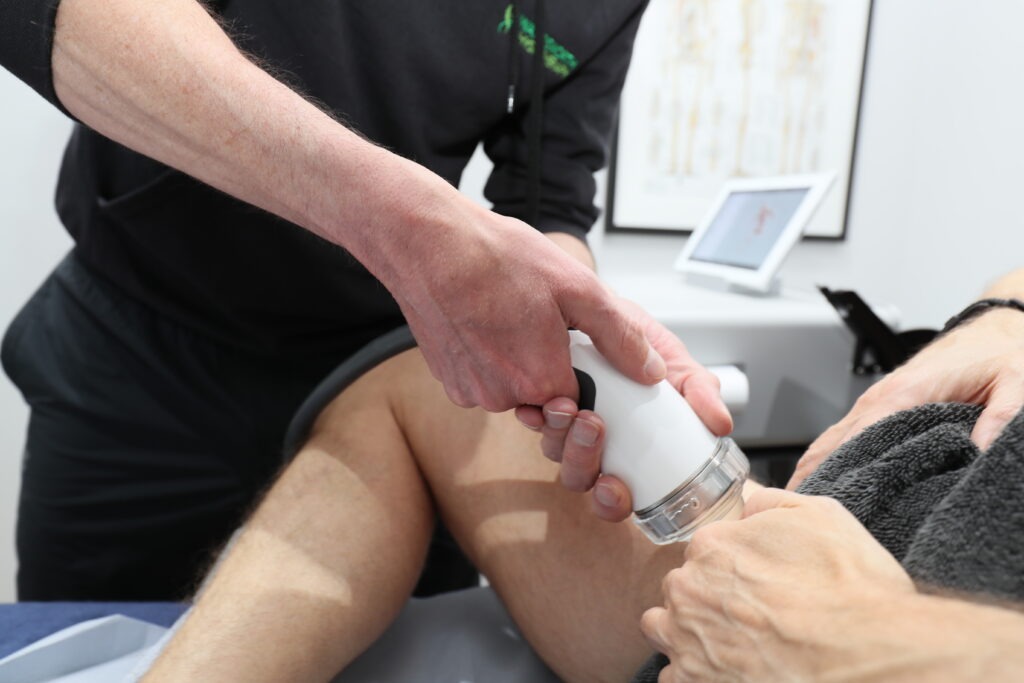
Daily Habits That Make Pelvic Floor Function Worse
Once you understand the main patterns of pelvic floor dysfunction, it becomes easier to spot the everyday habits that quietly reinforce them. Most men don’t realise how much their routine behaviours influence pelvic tension, strength, and coordination — often more than any single event.
One of the biggest contributors is breath‑holding during lifting. Whether it’s weights at the gym or a heavy box at home, holding your breath increases pressure through the pelvis and teaches the pelvic floor to brace instead of move naturally. The same thing happens with clenching the abs or glutes all day. Many men do this without noticing, especially during stress or long periods of concentration, and it keeps the pelvic floor in a constant “on” position. Sitting for long periods can also make things worse. Hours at a desk reduce circulation, limit movement, and encourage subtle gripping patterns around the pelvis.
At Wandsworth Physiotherapy our men’s health physiotherapists often see how high‑tension sexual habits, such as gripping or rushing, can reinforce the same tightness pattern. At Wandsworth Physiotherapy, our team echoes these findings, helping men recognise how stress and shallow breathing keep the nervous system on alert and the pelvic floor more reactive.
Small daily habits can gradually shift pelvic function, but the good news is they can shift it back, too. Both Wandsworth Physiotherapy and Cirencester Physiotherapy Centre emphasise that awareness and relaxation are key to restoring natural pelvic movement and long‑term comfort.
cirencesterphysiotherapycentre.co.uk/