
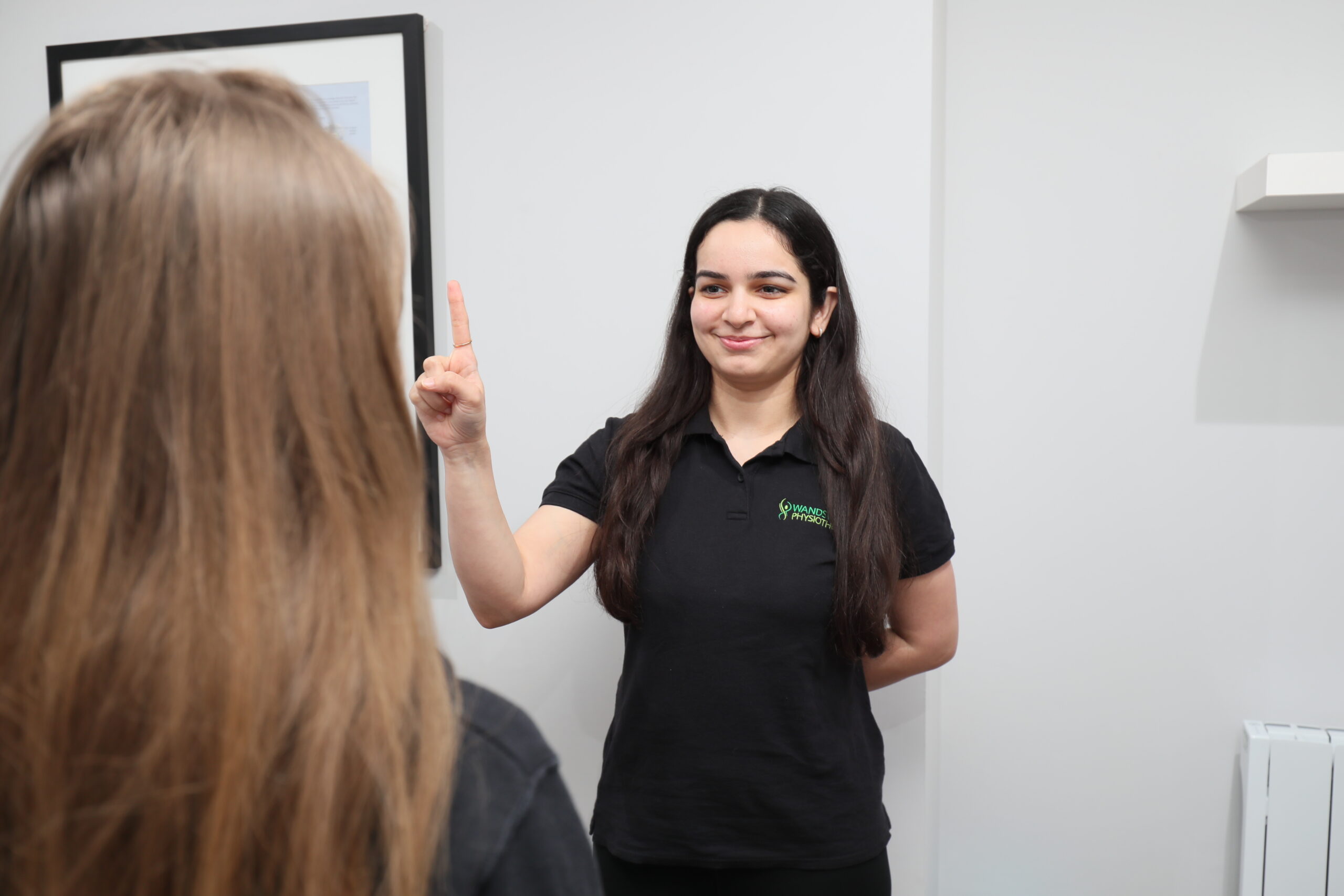
Does this describe you?
At Wandsworth Physiotherapy and Osteopathy our highly experienced vestibular physiotherapy team in Wandsworth Town, Putney, Clapham Junction, Battersea Nine Elms and Chelsea treat people just like you and help them get back to what they love doing without the fear of further episodes of dizziness or vertigo.
Balance function comes from a combination of the input from our eyes, ears (including hearing as well as the vestibular organs – the otoliths, semi-circular canals and vestibular nerves) and proprioception from the sense of our feet being on the floor and the position of our posture and our joints that are sensed in our brain. Our brain processes all this information to establish where we are in space and our balance. Dizziness can be caused by faults in these systems.
Commonly one or both of the vestibular organs (the semi-circular canals) become dysfunctional or the vestibular nerve becomes inflamed and we can suffer from sudden onset, severe, transient vertigo/dizziness. This can be extremely stressful inducing nausea, vomiting, anxiety, panic attack, dizziness and falls.
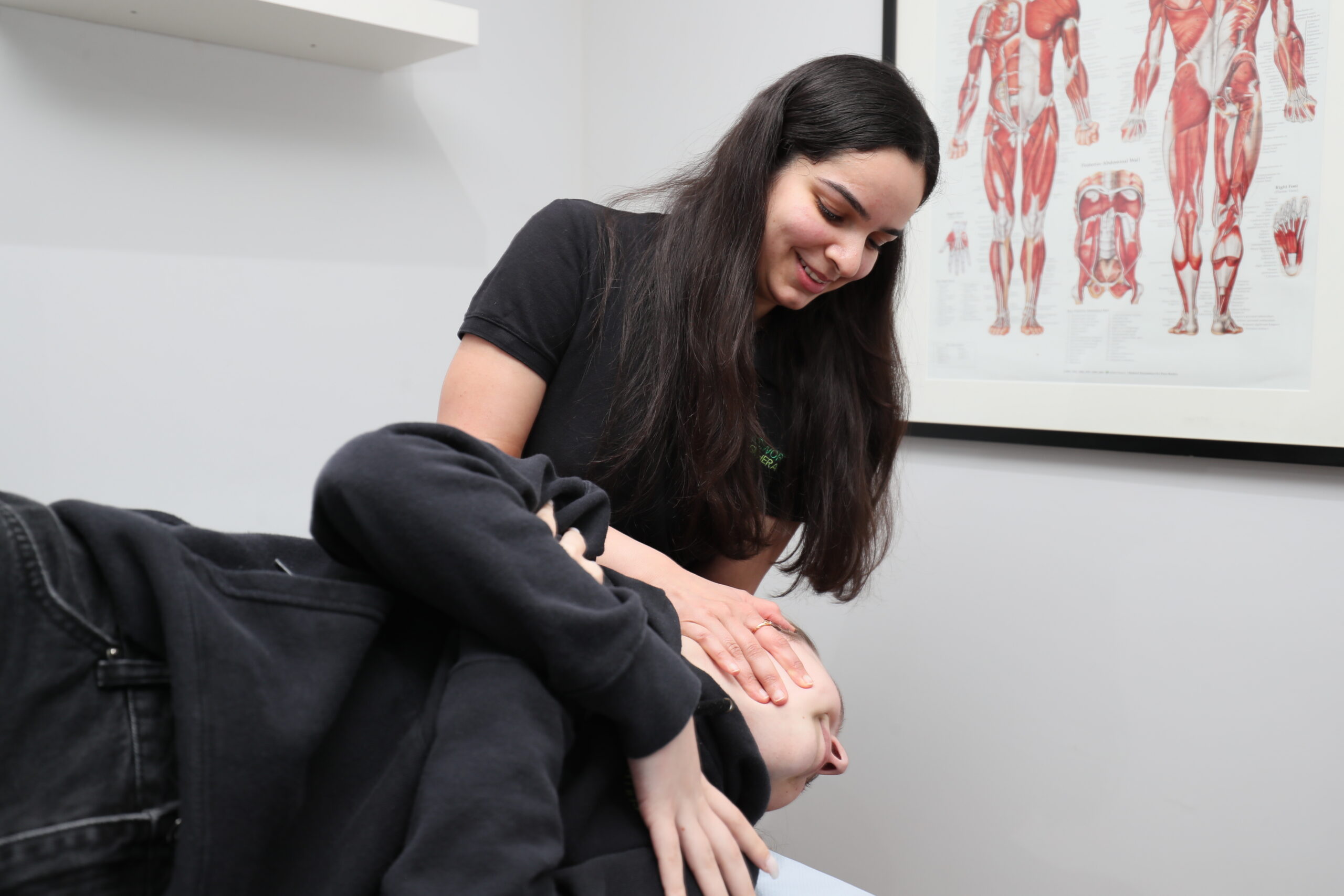
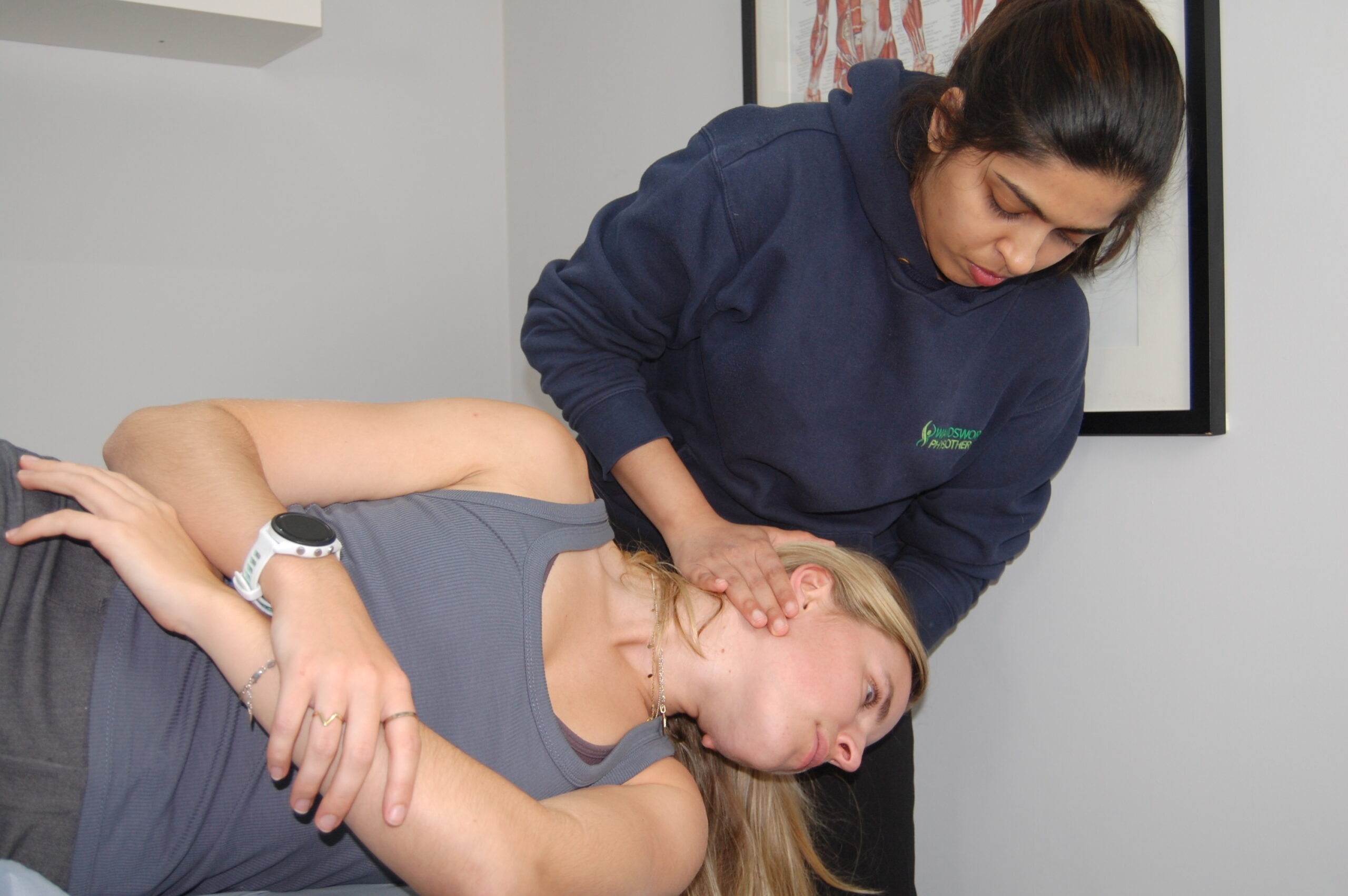
At our vestibular physiotherapy clinic there are a number of different conditions that can affect balance and require vestibular physiotherapy. Some are more serious than others. We can help to diagnose these problems for you and where necessary, refer you to your GP or A and E. However we can help to manage the symptoms of these disorders (including persistent postural perceptual dizziness and vestibular neuritis):
Benign Paroxysmal Positional Vertigo (BPPV) is the most common vestibular disorder we see in the clinic. It happens when tiny calcium crystals (called otoliths) become dislodged inside the semicircular canals of the inner ear, interfering with your balance signals.
BPPV causes brief episodes of intense spinning or dizziness that typically last only seconds to minutes. The most common triggers are movements in the up-and-down plane – lying back, sitting up quickly, rolling over in bed, or tipping your head back to look up. The posterior semicircular canal is the most commonly affected, producing a characteristic spinning sensation with these movements.
BPPV can be accurately diagnosed from your symptoms and confirmed using two simple clinical tests: the Dix-Hallpike test (for the posterior canal) and the head roll test (for the lateral or horizontal canal). No scans or blood tests are needed for a typical presentation.
Posterior canal BPPV responds very well to the Epley manoeuvre or Semont manoeuvre – hands-on techniques that guide the crystals back to where they belong. Most people need only one to three treatment sessions. Lateral canal BPPV is less common and is treated with the BBQ roll or Gufoni manoeuvre.
For home management, the Brandt-Daroff exercises are specifically designed to help with BPPV between clinic appointments. The Cawthorne-Cooksey programme is a broader vestibular rehabilitation approach used to improve general balance and reduce dizziness after any vestibular condition.
Vestibular neuritis is caused by inflammation of the vestibular nerve – the nerve that carries balance information from the inner ear to the brain. It is most commonly triggered by a viral infection and causes continuous dizziness or a spinning sensation that, unlike BPPV, does not come and go with head movements. It simply persists. Nausea and vomiting are common, particularly in the first day or two. The acute phase typically peaks within 24–48 hours and then gradually improves over days to weeks as the brain adapts. Hearing is not affected – if you notice hearing loss alongside your dizziness, this points toward labyrinthitis (see below) and needs prompt assessment.
In the clinic, we use a set of three bedside tests called the HINTS exam to help determine whether your dizziness is coming from the inner ear or the brain. In vestibular neuritis, all three tests show a reassuring inner-ear pattern:
The head impulse test involves a quick, small movement of your head to one side while you fix your gaze on a target. When the vestibular nerve is damaged, the eye cannot keep up with the head movement and makes a visible corrective jump, called a catch-up saccade, back to the target. Seeing this when the head is turned toward the affected ear tells us the nerve on that side is not working properly, which is consistent with neuritis.
We also observe your eye movements at rest. In vestibular neuritis, the eyes drift slowly toward the damaged side and flick back repeatedly toward the healthy ear – this is called nystagmus. Crucially, it always beats in the same direction regardless of where you look, and settles when you fix your gaze on a target. This consistent, fixation-suppressible pattern is a reassuring inner-ear sign.
Finally, we perform a simple cover test to check that both eyes sit at the same level. In vestibular neuritis, they do. A vertical misalignment – where one eye drifts up or down when covered – would suggest a problem in the brainstem rather than the ear.
Treatment may include short-term medication during the most severe phase, gentle neck mobilisation and massage, acupuncture, and most importantly guided vestibular rehabilitation including gaze stabilisation exercises and the Cawthorne-Cooksey programme. Staying gently active and engaging in rehabilitation, rather than resting completely, produces the best recovery.
Labyrinthitis describes a similar condition to vestibular neuritis, but with one important difference: it also affects hearing. As well as dizziness and balance problems, people with labyrinthitis typically notice sudden hearing loss or muffled hearing, usually in one ear, along with tinnitus. It commonly follows an upper respiratory tract infection such as sinusitis or a cold.
Because hearing can be affected, prompt assessment is important – early steroid treatment can improve the chances of hearing recovery, so we will refer you for audiology review alongside managing your balance symptoms at the clinic.
Ménière’s disease is a condition of the inner ear that causes sudden, unpredictable attacks combining four characteristic symptoms: intense vertigo (a spinning sensation), tinnitus (ringing or noise in the ear), a feeling of fullness or pressure in the ear, and fluctuating hearing loss – usually in one ear. Attacks of vertigo typically last between 20 minutes and several hours, which is an important distinguishing feature from the seconds-long episodes of BPPV.
Some people also experience sudden “drop attacks” – known as Tumarkin crises – where they unexpectedly fall or drop to the ground without warning and without losing consciousness. These can be particularly alarming.
Ménière’s can be difficult to diagnose, especially early on, and is sometimes arrived at by a process of excluding other causes. There is currently no cure, but symptoms can be managed effectively. At the clinic we work with you on coping strategies, vestibular rehabilitation, and lifestyle adjustments – including reducing salt intake and managing stress – to help reduce the frequency and impact of attacks.
Vestibular migraine causes episodes of dizziness or vertigo that are linked to migraine. Importantly, the headache and the dizziness do not always occur together – you may have significant vertigo without any head pain at all, which is why it is often under-diagnosed. Episodes can last anywhere from a few minutes to several hours. Other migraine features may accompany an attack, such as sensitivity to light or sound, visual disturbances, or a feeling of pressure in the head.
Identifying personal triggers – such as sleep disruption, certain foods, dehydration, or stress – is a central part of management. We work alongside your GP or neurologist on migraine treatment, and vestibular rehabilitation at the clinic can help manage the balance symptoms between episodes.
In rare cases, sudden severe dizziness can be caused by a stroke affecting the back of the brain – the brainstem or cerebellum – rather than the inner ear. It is essential to go to A&E immediately if your dizziness is accompanied by any of the following:
One of the most important clinical distinctions between a stroke and an inner ear problem is that in a stroke, the vestibular nerve itself is usually intact — meaning the head impulse test can appear completely normal, even though the patient feels severely dizzy. This is the opposite of what happens in vestibular neuritis, where the nerve is damaged and the test is clearly abnormal. A normal-looking head impulse test in someone with new continuous vertigo is therefore a warning sign, not a reassuring one.
Alongside this, eye movements that change direction depending on where the patient looks – or that beat purely upward or downward – point toward the brainstem or cerebellum rather than the ear. A vertical drift of one eye on the cover test, indicating the eyes are no longer level, is another sign of central involvement. Poor coordination, difficulty walking, or inability to stand unsupported further support the need for urgent assessment.
If you have any doubt, call 999 or go straight to A&E. Do not drive yourself.
Persistent Postural Perceptual Dizziness, or PPPD, is a chronic dizziness condition that is increasingly recognised as one of the most common causes of long-term balance problems. It typically develops after an initial vestibular event – such as a bout of BPPV, vestibular neuritis, or even a panic attack or period of intense stress – that has since resolved, but where the dizziness has continued or returned.
What happens in PPPD is that the brain becomes hypersensitive to balance and movement signals. Rather than settling back to its normal level of monitoring after the initial episode, the nervous system stays on high alert – constantly scanning for signs of dizziness and interpreting normal sensory information as threatening. This creates a cycle: the fear of dizziness leads to avoidance of movement and certain environments, which reduces the brain’s exposure to the very signals it needs in order to recalibrate. Anxiety and stress amplify the symptoms further, and what began as a physical problem becomes reinforced by the brain’s own protective responses.
People with PPPD often describe a constant sensation of rocking, swaying, or floating – worse in visually busy environments such as supermarkets, busy streets, or scrolling on a screen – and feel most stable when sitting still or holding on to something. It is not “just anxiety,” but anxiety and avoidance are a significant part of what keeps it going.
Treatment at the clinic focuses on gradually and safely breaking this cycle. Vestibular rehabilitation exercises are used to retrain the brain’s response to movement and balance challenges – working through the point of mild symptoms rather than around them, which is how the nervous system learns that movement is safe. This is combined with education about why the brain has become stuck in this pattern, strategies to manage the anxiety that accompanies it, and graded re-exposure to the movements and environments that have been avoided. Where appropriate, we work alongside your GP or a psychologist, as a combined approach produces the best outcomes.
PPPD is very treatable. Understanding what is driving your symptoms is often the first and most important step toward recovery.
We will endeavour to assess your symptoms of dizziness as well as the range of motion in your shoulder, neck and jaw and put a treatment plan together to restore optimal movement in these area. This may include joint mobilisation and massage, as well as acupuncture.
Vestibular physiotherapy consists of canal repositioning manoeuvres that are so effective for BPPV. We will also put together and guide you through specific vestibular rehabilitation exercises to help you manage the symptoms of your dizziness:
Vestibular rehabilitation is about adaptation, habituation and substitution incorporating customised physiotherapy exercises.
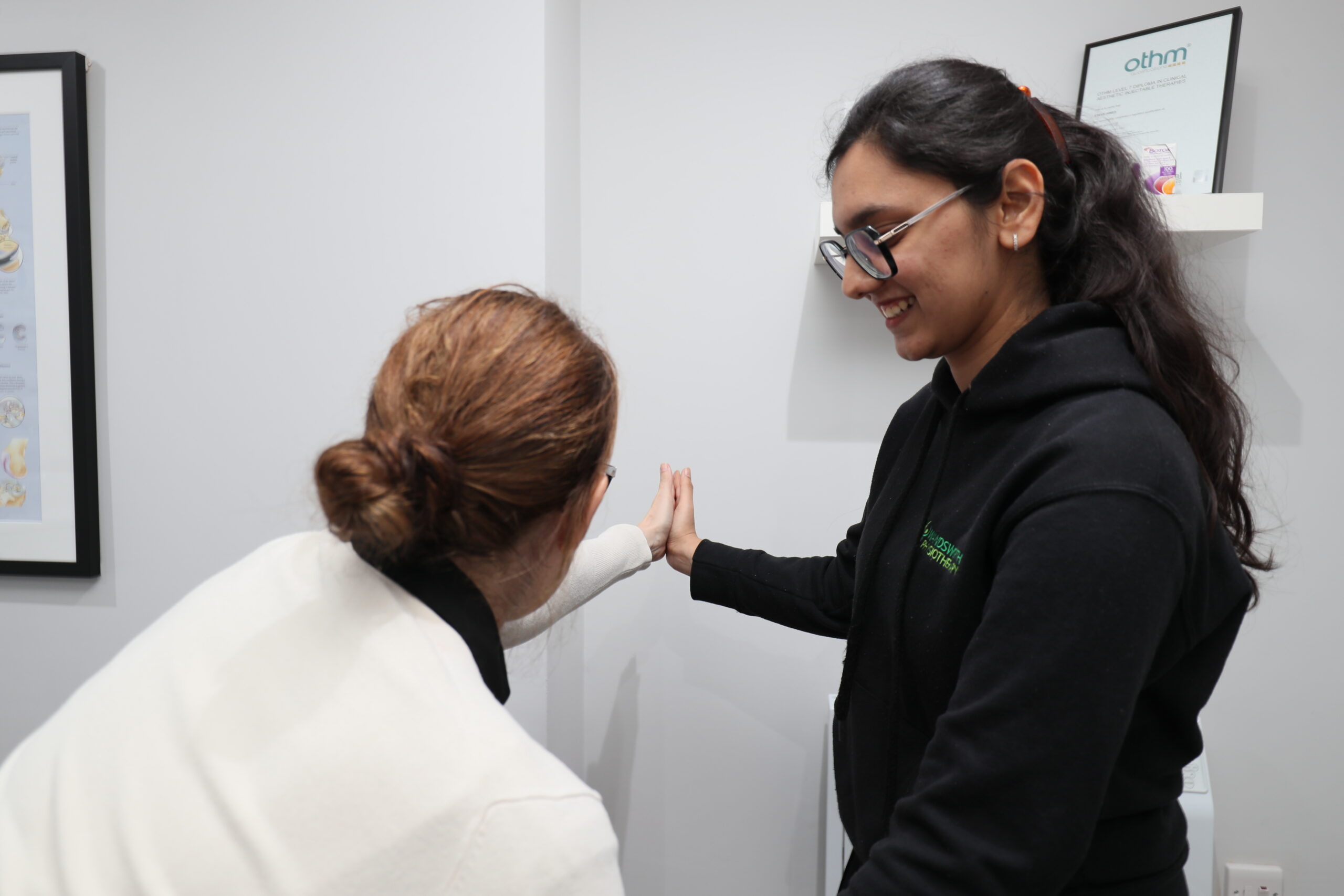
It’s a specialist area of physiotherapy focused on assessing and treating problems with balance, dizziness and the inner ear’s balance system, using specific exercises and manual techniques to retrain how the brain processes balance signals.
Our vestibular physiotherapy service provides assessment and rehabilitation for a range of dizziness and balance disorders.
Trustindex verifies that the original source of the review is Google. I have been coming here since 6 months now for physiotherapy on my ankle ligament, and I cannot recommend it enough! I have been treated by Nuzhat Shaikh, who has helped me reduce my daily chronic pain, and has helped me gain confidence in going back into sports. She took the time to understand my problems and provided bespoke treatment, tracking progress every session and recommending mitigating actions as required. Highly recommend!Trustindex verifies that the original source of the review is Google. As an amateur long-distance triathlete, I developed a sciatic nerve injury that plagued me for over six months, to the point where I stopped enjoying the sport I love. Kirsty quickly identified the root cause, and after several treatment sessions the pain gradually disappeared. She also recommended physiotherapy exercises and Pilates classes to address the underlying issue and help prevent it from returning. The best validation of the treatment came recently when I completed an ultra-marathon with significant elevation, putting my sciatica to the ultimate test. There wasn’t a single niggle—my leg felt as good as new. Thank you, Kirsty, and the entire Wandsworth Therapy team, for helping me get back to doing what I love!Trustindex verifies that the original source of the review is Google. I visited Wandsworth Physiotherapy after straining my ACL. Nuzhat tailored my sessions to my injury and set out a clear routine of exercises to aid my recovery. Nuzhat was flexible with timings, provided massage, acupuncture and exercises. Thank you so much.Trustindex verifies that the original source of the review is Google. Christina was extremely helpful during my physio sessions, super clear throughout and prescribed the best approach to resolve my overloaded arch. Thank you!Trustindex verifies that the original source of the review is Google. Nuzhat has been my physiotherapist at Nine Elms for the last two months. Don't be fooled the quiet demeanour of this unassuming lady. She is an outstanding physiotherapist. Her knowledge of health and nutrition and her techniques (which include focused massage and acupuncture) to deal with my tendonitis and muscle strain have put me well on the road to recovery. The exercises she has given me in the WPO app (stretching, bands, ball, light weights) are tailored to me and have been a big help. Nuzhat, I can't thank you enough.Trustindex verifies that the original source of the review is Google. I had a fantastic experience with Nuzhat. I had been struggling with pack pain for over 6 months and she conducted a comprehensive assessment of the issue and put me on a path to recovery through a combination of manual therapy and acupuncture. I am so happy with the progress and Nuzhat has been brilliant.Trustindex verifies that the original source of the review is Google. I am so happy with my physiotherapy sessions. They were able to fix me twice now each time quicker than expected.Trustindex verifies that the original source of the review is Google. Friendly staff and very professional. Diagnosed and treated my shoulder issue very quickly with no re occurrence of the problem. Would highly recommend.Trustindex verifies that the original source of the review is Google. Pilates with Shreya - one of the best Pilates classes I've attended. I go to the Advanced Clinical Pilates class with Shreya at Wandsworth Physiotherapy and really enjoy it. The class is challenging and intense in the best way, and I always leave feeling like I've had a deep and effective workout. Shreya is friendly, attentive and knowledgeable. She pays close attention to form, ensures everyone is exercising safely, and structures the class brilliantly - with a warm-up to prepare the body for deeper work and a relaxing body scan at the end. I attended a couple of beginner classes before joining the advanced group, but once I moved to Shreya's class it was a perfect fit for my experience level. The sessions are focused, engaging and incredibly rewarding. Highly recommend.Google rating score: 4.9 of 5, based on 489 reviews
How can we assist?