
Knee Injuries Whilst Skiing: For most recreational skiers, the reality of a week in the mountains is less Olympic podium and more navigating variable snow, long lift queues, and the occasional unexpected tumble.
And when things do go wrong, it’s usually the knee that takes the strain – that hardworking hinge joint responsible for absorbing twisting forces, controlling speed, and keeping you upright on uneven terrain.
If you’re preparing for an upcoming ski holiday, whether it’s your first trip or an annual tradition, this guide will help you understand how knee injuries happen, how to reduce your risk, and what to do if you do sustain knee injuries whilst skiing, both in resort and once you’re back in Wandsworth.
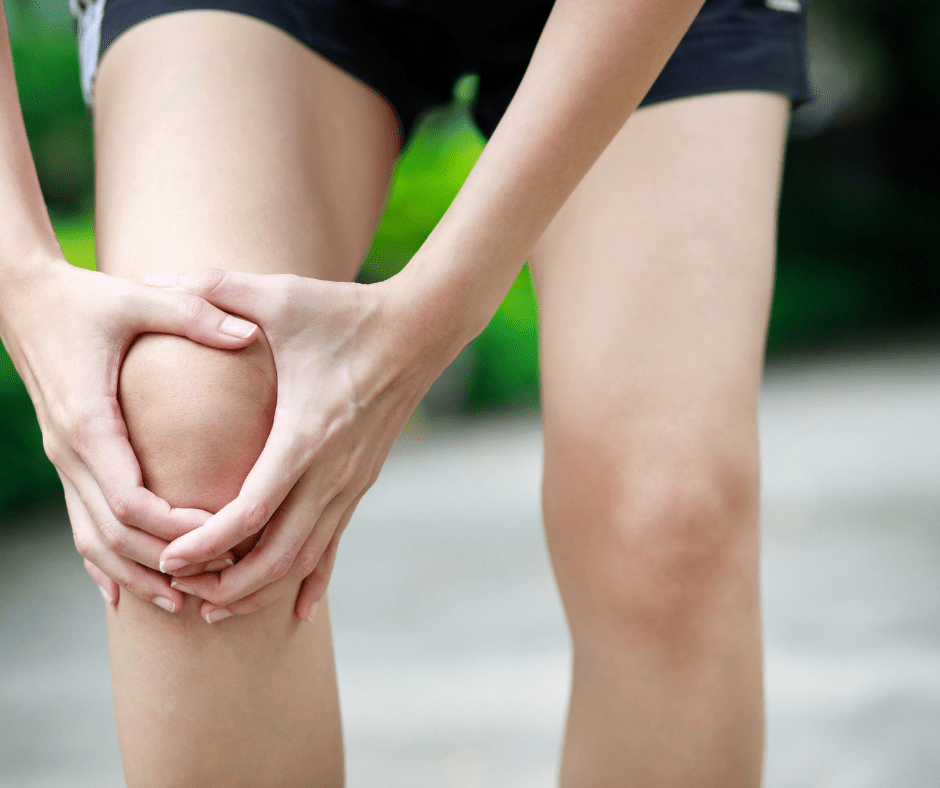
Knee Injuries in Skiing – More Than Just a Twist
For many people, a ski holiday involves going straight from desk to slopes with little or no physical preparation.
Hours spent sitting at work doesn’t build the leg strength, balance, or endurance needed to control skis on variable terrain.
Without adequate conditioning, the quadriceps fatigue quickly, gluteal strength may be lacking, and balance reactions are slower, all of which increase the load placed on the knee.
When strength, coordination and stamina haven’t been trained in advance, injury risk rises significantly, particularly in the first few days of the trip when enthusiasm often outweighs preparedness. Here are the most common knee injuries whilst skiing:
1. Knee Injuries Whilst Skiing: Anterior Cruciate Ligament (ACL) Tears
The ACL stops your shin bone from sliding forward under your thigh. On the slopes, a fall with the ski in the snow and the body turning can place enormous stress on it – hence the classic skiing ACL tear. This is surprisingly common even in experienced skiers.
ACL injuries account for a high proportion of knee injuries in alpine skiing. Studies show they often result from out-of-control twisting forces during a fall.
2. Knee Injuries Whilst Skiing: Meniscus Tears
The menisci act like shock absorbers. A sudden twist on a planted ski can pinch and tear these fibrocartilage wedges. These may present as swelling, pain on twisting, or “catching” in the knee.
3. Knee Injuries Whilst Skiing: Collateral Ligament Sprains
These occur on the inner or outer knee and are usually due to valgus/varus forces -like when your knee gets bent sideways during a fall.
4. Knee Injuries Whilst Skiing: Patellofemoral Pain Syndrome (PFPS)
You don’t have to crash to injure your knee. Hours of knee flexion and extension under fatigue can irritate the kneecap – classic overuse pain, aka “ski bum knee.”
In Resort – What to Do When the Snow Turns Against You
If you take a tumble and your knee is talking back with swelling, instability, or pain, here’s your winter ski triage:
On the Mountain
- Stop skiing. We promise the lifts aren’t going anywhere.
- R.I.C.E. (with A for Avoiding anti-inflammatories until assessed):
- Rest the knee.
- Ice to reduce swelling (20 mins every couple of hours).
- Compression with a bandage if available.
- Elevation ideally above heart level when resting.
- Don’t try to “walk it off” if the knee feels unstable or you can’t bear weight – this is a red flag for a more serious injury.
Mountain Clinic / Resort Medical
Most resorts have a medical centre. They may:
- Assess for serious injury.
- Apply immobilisation/splints.
- Arrange imaging if needed.
- Advise on safe travel (crutches, brace).
Remember, pain down the line is often worse than taking a cautious day off.
Homeward Bound: Your First Steps Back in the UK
Once you’ve landed in Blighty and are over the jet-lag, this next phase of managing knee injuries whilst skiing is crucial.
Early Phase (First 1–2 Weeks)
- Physio assessment – pinpoint exactly what structures are injured.
- Restore range of motion – no point strengthening what won’t bend!
- Load management – we’ll coach you on how much is “just enough.”
Mid Phase (2–6 Weeks)
- Strength & neuromuscular control – glutes, quads, and hamstrings all need to work in harmony to stabilise the knee.
- Functional retraining – gradually preparing you to walk, jog, and eventually ski-specific movements.
Return to Sport
Depending on the injury, this can take a few weeks (mild sprain) to several months (ACL reconstruction surgery). We use objective criteria, not guesswork, to ensure you’re ready.
How Wandsworth Physiotherapy Supports You – from Snow back to full recovery
At Wandsworth Physiotherapy, we take knee injuries whilst skiing seriously, but we also like to make the journey enjoyable (yes, even rehab can be fun).
1. Comprehensive Ski Injury Assessment
Whether you were dusting moguls or had a straight-line high-speed fall, we’ll assess:
- Structural integrity
- Movement quality
- Strength deficiencies
- Biomechanical risk factors
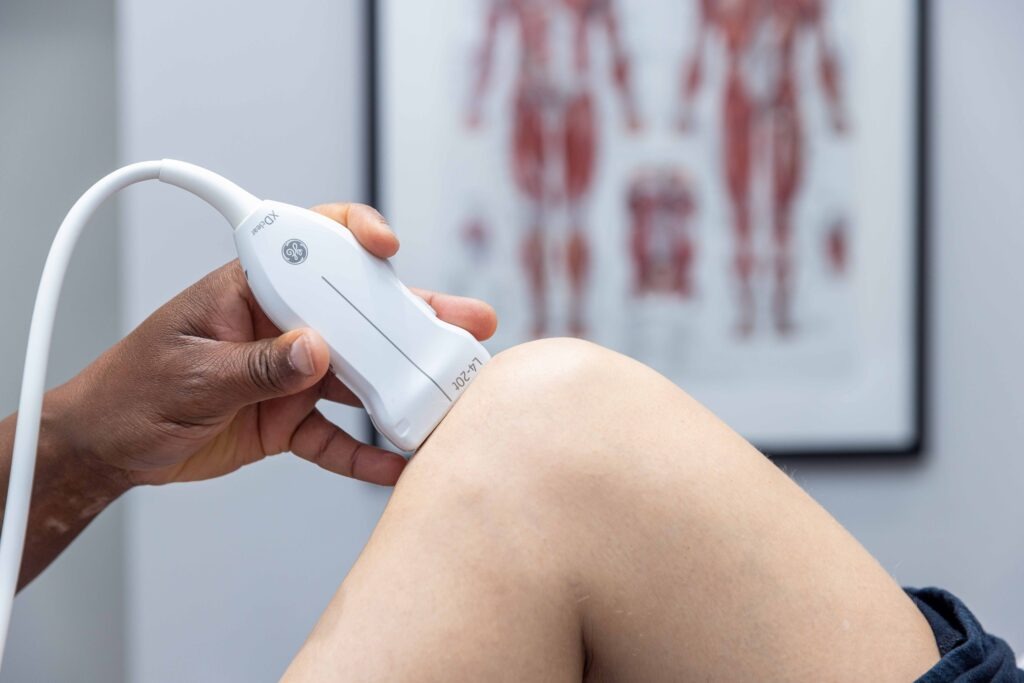
- We also use diagnostic ultrasound to assess soft tissue structures such as the patella tendon or collateral knee ligaments.
2. Personalised Rehabilitation Plans
Whether it’s regaining full knee bend or blasting quad strength so your leg doesn’t buckle halfway down the nursery slope, we tailor the plan to you.
We will take you through the entire recovery journey, whether you end up requiring surgery or not. From initial injury, back to full fitness, whatever it takes, we’ll support your personal rehab goals.
3. Advanced Techniques
We can offer:
- Manual therapy to reduce stiffness and pain
- Neuromuscular retraining
- Strength & conditioning
- Blood flow restriction training
- Prehab for your next ski trip (yes, we do that too!)
- Ultrasound Guided Injections
4. Education & Guidance
We’ll help you understand:
- What your injury actually is
- How long recovery realistically takes
- How to prevent recurrence
And we’ll answer the big question: “When can I ski again!?”
At the Winter Olympics, athletes push boundaries, but behind every dazzling run is an experienced medical and performance team carefully managing load, recovery and return to competition.
If you’ve sustained a ski injury, you may not have an Olympic support crew, but you can have the right rehabilitation team around you.
At Wandsworth Physiotherapy, we guide you through every stage of recovery, from early pain and swelling management to rebuilding strength, confidence and ski-specific control.
Our focus is not just on getting you pain-free, but on preparing you properly so that when you return to the slopes, you do so stronger, more resilient, and ready to enjoy your next ski trip with confidence.
Book a ski injury assessment with Wandsworth Physiotherapytoday.
FAQs Your Burning Ski Knee Questions
Q: Can I prevent knee injuries while skiing?
A: Yes! Strength training (quads, glutes, hamstrings), balance work, and proper warm-ups all reduce risk.
Q: Should I get an MRI in resort?
A: Not always. Initial management focuses on stabilising the knee. MRI is helpful if symptoms persist or serious injury is suspected. We can refer you locally on return.
Q: How long before I can ski again?
A: Depends on injury severity – from a couple of weeks (mild sprain) to 6–12 months (after ACL reconstruction with full rehab).
Q: Do you offer telehealth for patients still abroad?
A: Yes, we can assess and guide you remotely if you’re still in resort.
Select Research References
- Bhatt, A.M., Inclan, P.M. and Pearle, A.D., 2024. Mechanisms and Prevention Strategies of Anterior Cruciate Ligament Injuries in Alpine Skiers: A Review. JBJS Journal of Orthopaedics for Physician Assistants, 12(4), p.e24.
- Shea, K.G., Archibald-Seiffer, N., Murdock, E., Grimm, N.L., Jacobs Jr, J.C., Willick, S. and Van Houten, H., 2014. Knee injuries in downhill skiers: a 6-year survey study. Orthopaedic journal of sports medicine, 2(1), p.2325967113519741.
- Duncan, J.B., Hunter, R., Purnell, M. and Freeman, J., 1995. Meniscal injuries associated with acute anterior cruciate ligament tears in alpine skiers. The American journal of sports medicine, 23(2), pp.170-172.