
Change Is Not the Same as Progress
Modern Physiotherapy is evolving quickly. Some of that change is welcome. Some of it is unavoidable. And some of it deserves closer scrutiny.
Over the last decade, physiotherapy provision has shifted dramatically, particularly within the NHS and increasingly within private and insurance-funded care. Appointments are shorter. Waiting lists are longer. Treatment options are narrower. Exercise and advice have become the dominant, and often the only, intervention offered.
Exercise works. Education matters. Self-management is essential.
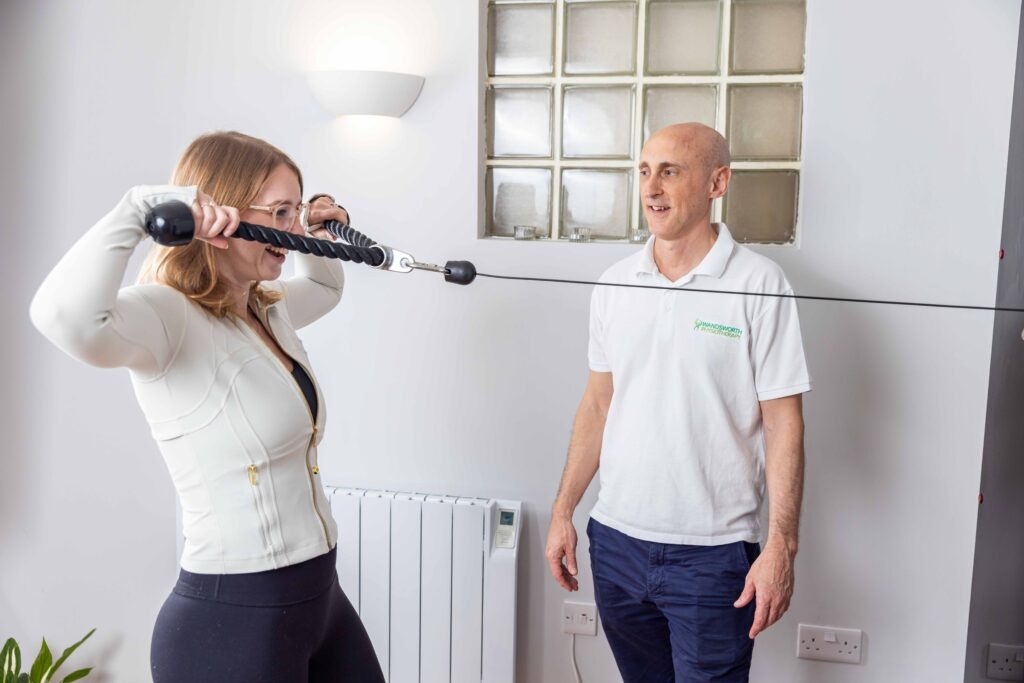
But as physiotherapy changes, an important question remains: are we improving care, or simply making it more efficient?
Understanding the direction physiotherapy is going requires us to look beyond outcomes at 12 weeks and consider what patients experience during pain, recovery, and rehabilitation – and what the profession itself may look like in ten years’ time.
NHS Physiotherapy: High Demand, Finite Resources
The pressures within the NHS are well known. Musculoskeletal demand continues to rise, while staffing, funding, and appointment capacity remain limited.
In response, services have adapted. Many patients now experience longer waits, shorter appointments, and fewer follow-ups. Hands-on treatments such as manual therapy, massage, joint mobilisation, acupuncture, and taping are far less common in first-line care. Instead, patients are assessed, reassured, given exercises, and discharged quickly or placed into group classes.

If symptoms persist, some patients are referred onwards to extended scope practitioners or specialist services, such as community assessment or musculoskeletal triage clinics.
From a system perspective, this approach is logical. It allows services to manage volume. But it also represents a fundamental shift in what physiotherapy means to patients.
Exercise Is Central — But Pain Is Lived in the Present
Exercise-based rehabilitation has strong evidence behind it and will always be a cornerstone of good modern physiotherapy.
What is increasingly downplayed, however, is the value of short-term symptom relief during painful episodes. Pain affects sleep, concentration, mood, work, and confidence. Reducing pain does not have to be a long-term cure to be meaningful.
Hands-on treatments and adjunctive therapies are not alternatives to exercise; they are often enablers of it. When pain is reduced, people move more freely, engage better with rehabilitation, and feel more confident in their recovery.
Dismissing short-term relief because it does not alter long-term outcomes risks overlooking why patients seek care in the first place.
The Rise of Digital and AI-Led Physiotherapy
Alongside these changes has come the rapid growth of digital physiotherapy and AI-led triage systems.
Some NHS trusts are now using AI-based “physio” platforms to assess symptoms, stratify risk, and deliver exercise and advice remotely. In many cases, patients may never see a physiotherapist at all unless they fail to improve.
These systems are efficient, scalable, and cost-effective. For many people with straightforward presentations, they are likely to be sufficient. Exercise apps and digital rehab platforms clearly have a role, and that role will expand.
In many ways, this model will probably replace much of what currently exists at the lower end of NHS and insurance-funded physiotherapy.
But efficiency comes with trade-offs.
What Happens to the Craft of Physiotherapy?
Modern physiotherapy is not just a set of protocols. It is a clinical craft learned through experience, repetition, and mentorship.
Early-career physiotherapists traditionally developed skills by seeing high volumes of patients, performing assessments, delivering hands-on treatments, making mistakes, and refining judgement. Short appointments and exercise-only pathways reduce opportunities to learn palpation, manual techniques, clinical reasoning, and nuanced decision-making.
If entry-level roles increasingly become digital triage, exercise prescription, or class supervision, fewer physiotherapists will develop advanced hands-on and diagnostic skills. Over time, this risks shrinking the pool of highly trained clinicians capable of managing complex cases.

The profession may become top-heavy: fewer skilled generalists, fewer specialists, and a growing reliance on technology to compensate for lost experience.
How This Has Shaped Private Physiotherapy
These system-level changes have influenced patient expectations in private practice too. Many people now assume physiotherapy means short appointments, minimal treatment, and exercise handouts.
This has allowed a low-cost, high-volume private model to become widespread, particularly within insurance-funded care. Clinics operating on narrow margins often offer limited appointment time, infrequent sessions, and little in the way of hands-on treatment or advanced assessment.
Some medical insurers continue to support comprehensive physiotherapy. Others have adopted models that closely mirror NHS efficiency pathways. As a result, many established clinics choose not to work with certain insurers, and patients may need to travel further to access clinics offering longer appointments and broader treatment options.
This is less about price and more about philosophy.
Time, Skill, and Choice in Modern Physiotherapy Care
High-quality modern physiotherapy tends to involve more time, not necessarily more visits. Longer appointments allow thorough assessment, clear explanation, symptom management, and tailored rehabilitation.
It also tends to involve broader skill sets. Manual therapy, acupuncture, joint mobilisation, taping, and soft tissue work remain valuable when used appropriately. Diagnostic ultrasound, force plates, and strength testing can improve clarity and reduce uncertainty. Technologies such as shockwave therapy can be highly effective for specific conditions when applied correctly.
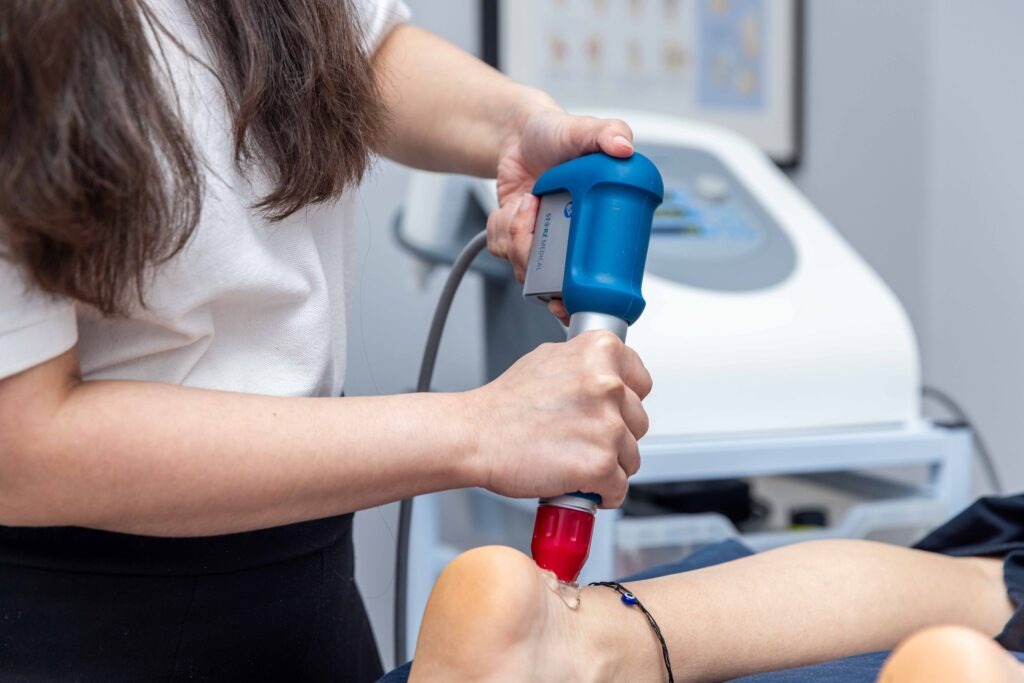
None of this is essential for every patient. But having access to it matters.
The issue is not that all physiotherapy should look the same. It is that patients should understand the differences and be able to choose knowingly.
Better Clarity, Fewer Dead Ends
One under-recognised benefit of more comprehensive physiotherapy is diagnostic confidence. Clearer assessment can mean fewer second opinions, fewer unnecessary referrals, and less trial-and-error treatment.
In some cases, investing more time early leads to fewer total appointments later. In others, it simply reduces frustration and uncertainty.
Again, this is not about doing more. It is about doing what is appropriate, well.
The Direction Modern Physiotherapy Is Going
The direction physiotherapy is going appears to be increasingly polarised.
At one end, scalable, digital, exercise-led services designed to manage volume efficiently. At the other, smaller numbers of clinics offering time, expertise, hands-on treatment, and advanced assessment.
AI and exercise apps will continue to grow, and they should. They are likely to become the default for straightforward problems. But they cannot replace experience, judgement, or human interaction in more complex cases.
The risk is not technology itself. The risk is losing the skills, training pathways, and clinical depth that have traditionally defined the profession.
Holding More Than One Truth
Physiotherapy does not need to choose between exercise and treatment, technology and touch, efficiency and care. The best outcomes often come from combining them.
Digital tools can increase access. Exercise builds resilience. Hands-on treatment can reduce pain. Time allows understanding. Experience brings clarity.
Recognising the value of all of these does not mean resisting change. It means shaping it deliberately, rather than drifting into a version of physiotherapy that is cheaper, faster, and thinner — but not necessarily better.